

How to Defend a Court-Martial Case in Pakistan — Islamabad & Peshawar Military Law Guide.
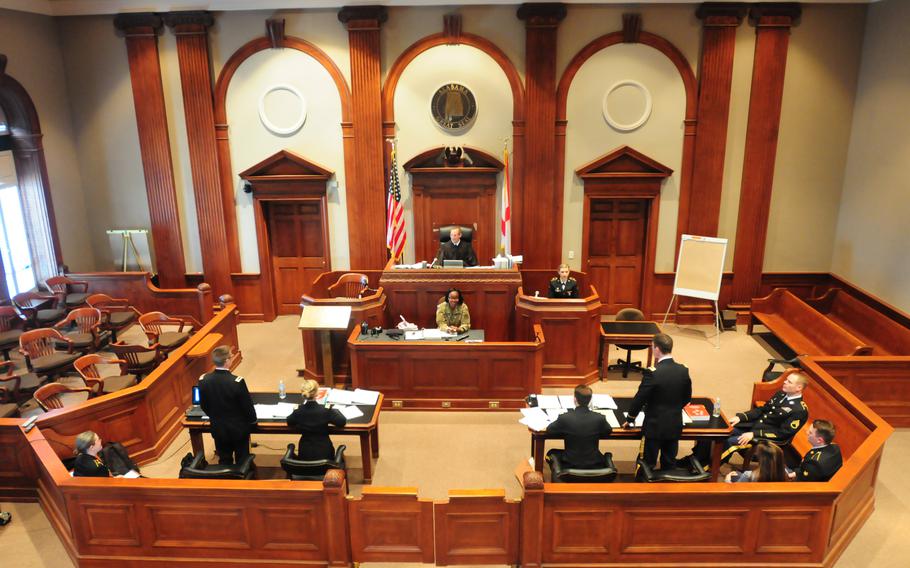
How to Defend a Court-Martial Case in Pakistan — Islamabad & Peshawar Military Law Guide.
A court-martial is a judicial proceeding conducted under military law to address alleged breaches of discipline, misconduct, or criminal offenses committed by armed forces personnel. Unlike civilian courts, military courts follow specific rules and procedures defined by the Pakistan Army Act, Air Force Act, and Navy Act, depending on the branch of service. Understanding these procedures is critical because the rights, obligations, and potential penalties in a court-martial case differ significantly from those in civilian legal systems. Individuals facing a court-martial must be aware of the procedural requirements, possible defenses, and the consequences of adverse judgments. Due to the complex nature of military law, many defendants seek guidance from military defense lawyers to ensure that their legal rights are protected throughout the proceedings.
Key Grounds for Defense in Court-Martial Cases
Defending a court-martial case requires a clear understanding of the grounds on which the accused can contest the allegations. Common defenses include proving the absence of intent, demonstrating procedural irregularities, challenging the credibility of evidence, or showing that the accused acted under duress or coercion. Military law also recognizes defenses based on mental incapacity or lack of knowledge regarding prohibited conduct. The success of a defense often hinges on meticulous preparation, collection of supporting evidence, and a strategic presentation of arguments tailored to military law standards. Engaging experienced military defense attorneys in Islamabad can help ensure that defenses are effectively raised and procedural safeguards are observed.
Preparing for a Court-Martial Hearing
Preparation is a critical step in defending a court-martial case. The accused must first obtain a complete copy of the charges and related documents to understand the scope and specifics of the allegations. A thorough review of evidence, identification of witnesses, and preparation of affidavits or statements are essential components of an effective defense strategy. In Islamabad and Peshawar, the preparation process often includes close coordination with military officials and legal experts to anticipate procedural challenges and counter the prosecution’s claims. Timely and detailed preparation allows the defense to present a coherent narrative, challenge improper procedures, and highlight inconsistencies in the prosecution’s case. Legal practitioners specializing in military law defense in Peshawar guide clients through this complex phase to maximize the chances of a favorable outcome.
Experience Compassion
We provide compassionate legal support, ensuring clients feel heard, respected, and guided through every step.
Integrity Compassion
Our practice is built on honesty and empathy, delivering ethical and client-focused legal solutions.
Procedural Steps in Islamabad Military Courts
Court-martial proceedings in Islamabad follow a defined sequence that includes preliminary investigation, framing of charges, trial hearings, examination of evidence, and final judgment. The accused has the right to legal representation, the ability to cross-examine witnesses, and the opportunity to present a defense. Proper filing of petitions, motions, and responses is crucial to ensure procedural compliance and protect the rights of the defendant. The hearings are conducted by a panel of officers or judges appointed under military law, and procedural errors can significantly impact the outcome. To navigate these steps efficiently, defendants often rely on court-martial defense consultants in Islamabad who are familiar with both the military legal framework and the practices of local courts.
Procedural Steps in Peshawar Military Courts
In Peshawar, military courts operate similarly but may reflect regional procedural practices and administrative variations specific to the garrison or base. Preparation and documentation must meet stringent standards, and the defense must ensure that all motions, evidence submissions, and responses adhere to prescribed timelines. Coordination with witnesses and experts, as well as careful review of the charges, is essential to build a robust defense. Courts also assess the accused’s conduct, record, and service history when considering mitigation or penalties. Legal experts specializing in court-martial case representation in Peshawar can guide defendants through these regional nuances to ensure their cases are presented clearly and persuasively.
Common Challenges in Court-Martial Defense
Defending a court-martial case presents unique challenges, including navigating strict military procedural rules, handling sensitive classified information, and managing the pressures of a hierarchical environment. Evidence may include official military records, witness testimony from colleagues, or operational reports, all of which require careful scrutiny. The accused must also manage reputational concerns and maintain compliance with service regulations while their case is pending. Missteps in documentation, procedural filings, or strategic argumentation can compromise the defense. Engaging professional guidance from military law defense specialists in Islamabad helps defendants anticipate challenges, prepare compelling evidence, and avoid procedural pitfalls.
Role of Legal Counsel
Legal counsel plays a pivotal role in the defense of court-martial cases. The counsel ensures procedural compliance, evaluates the strength of charges, formulates defense strategies, and advocates for the accused during hearings. Nouman Muhib Kakakhel – Lawyer & Legal Consultant has extensive experience representing clients in Islamabad and Peshawar military courts, providing both strategic guidance and courtroom advocacy. By engaging experienced court-martial defense attorneys in Pakistan, defendants gain access to expert knowledge of military law, procedural nuances, and effective defense strategies, significantly improving the likelihood of a favorable outcome.
How to Defend a Court-Martial Case in Pakistan — Islamabad & Peshawar Military Law Guide.
Explore our wide range of legal expertise, from constitutional and corporate law to family, criminal, and civil matters. Our lawyers provide trusted guidance and effective representation.
Contact
- Chamber of, Nouman Muhib Kakakhel, Yousaf Riaz Block, Judicial Complex, opposite to Serena Hotel, PTCL Colony, Peshawar, 25000, Pakistan
- office@nmklegal.com
- +92334 4440844