

How to Prepare Legislative Amendments & Clauses — Islamabad & Peshawar Practical Steps?
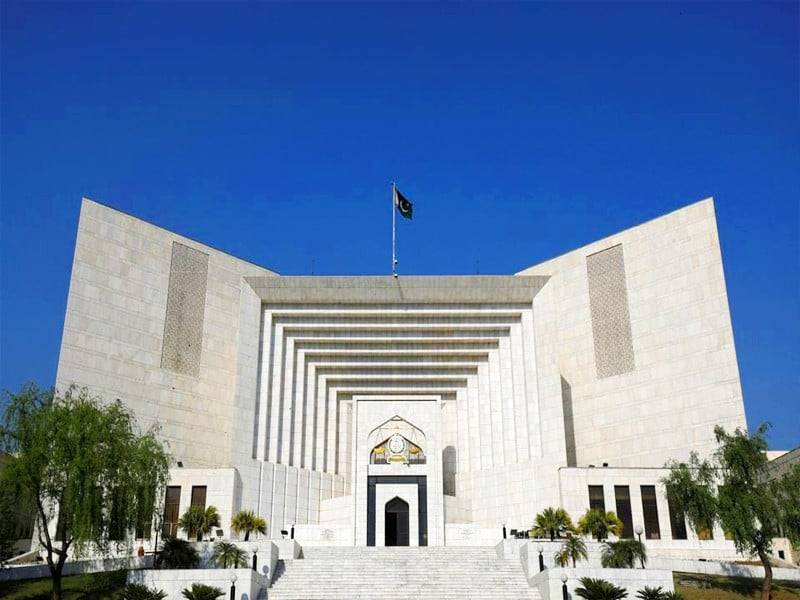
How to Prepare Legislative Amendments & Clauses — Islamabad & Peshawar Practical Steps
Preparing legislative amendments and clauses is a critical process for updating laws to reflect evolving societal, economic, or administrative needs in Pakistan. In Islamabad and Peshawar, where federal and provincial legislative activities converge, drafting precise amendments ensures legal frameworks remain relevant and effective. This blog provides a detailed guide for stakeholders in these cities to craft clear, enforceable amendments and clauses, tailored to Pakistan’s parliamentary system. By mastering this process, policymakers, legal advisors, and public bodies can drive meaningful legislative reform.
Pakistan’s legislative process, rooted in the Constitution of 1973, balances federal and provincial powers, with amendments requiring rigorous drafting and consultation. As of 2025, digital platforms and enhanced public participation have streamlined this process. This guide outlines the legal framework, practical steps, and regional considerations for Islamabad and Peshawar.
Understanding Legislative Amendments and Clauses
Legislative amendments involve modifying existing laws or regulations to address gaps, clarify provisions, or align with new policies. Clauses are specific provisions within a bill or amendment that define rights, obligations, or procedures. In Pakistan, amendments may update statutes like the Companies Act, 2017, or provincial laws like the Khyber Pakhtunkhwa Public Health Act, addressing issues from tax reforms to digital privacy.
The process requires precision to avoid ambiguity, legal challenges, or unintended consequences. Amendments must align with constitutional limits, Islamic principles under Article 227, and international obligations like WTO agreements. Poorly drafted clauses risk judicial invalidation or implementation failures.
For effective drafting, consulting amendment drafting experts in Islamabad can ensure compliance with federal standards and policy goals.
Legal Framework for Legislative Amendments
Pakistan’s legislative framework is governed by the Constitution of 1973, which allocates law-making powers between the Parliament (National Assembly and Senate) for federal matters and Provincial Assemblies for regional issues post-18th Amendment. The Rules of Procedure and Conduct of Business, 1973 (federal) and provincial equivalents guide amendment drafting.
The Ministry of Law and Justice (federal) or provincial Law Departments oversee compliance, ensuring amendments adhere to the Constitution and parent statutes. The Legislative Drafting Manual provides standards for clarity and structure. Amendments require parliamentary approval, with simple majorities for ordinary laws or two-thirds for constitutional changes.
Recent 2025 reforms promote e-consultation platforms, like the Pakistan Citizen Portal, for stakeholder input. Challenges include coordinating federal-provincial jurisdictions and addressing linguistic diversity in clauses.
Steps to Prepare Legislative Amendments
Drafting amendments and clauses follows a structured process:
- Identify the Need: Pinpoint the issue requiring amendment, such as outdated provisions or judicial rulings, through policy reviews or public feedback.
- Research and Analysis: Study the parent law, related statutes, and case law to ensure compatibility. Benchmark against international standards, like UN conventions, if applicable.
- Drafting Clauses: Write clear, concise clauses using defined terms (e.g., “taxable income” in fiscal laws). Specify the amendment’s scope, repeals, or additions, and include transitional provisions for smooth implementation.
- Stakeholder Consultation: Engage ministries, industry groups, and citizens via public hearings or digital platforms to refine clauses and enhance legitimacy.
- Legal Vetting: Submit drafts to the Ministry of Law or provincial Law Department for constitutional and statutory compliance checks.
- Legislative Submission: Present the amendment bill to the relevant assembly (National Assembly or Khyber Pakhtunkhwa Assembly) for debate, committee review, and approval.
- Publication: Publish approved amendments in the official Gazette, ensuring public access.
Digital tools streamline consultation and tracking. For provincial accuracy, clause drafting attorneys in Peshawar can tailor clauses to regional needs.
Experience Compassion
We provide compassionate legal support, ensuring clients feel heard, respected, and guided through every step.
Integrity Compassion
Our practice is built on honesty and empathy, delivering ethical and client-focused legal solutions.
Ensuring Clarity and Enforceability
Clarity requires simple language, avoiding jargon, and defining key terms to prevent misinterpretation. Enforceability depends on aligning clauses with the parent law’s intent and specifying enforcement mechanisms, like penalties or oversight bodies. For example, an amendment to environmental laws might designate the Pakistan Environmental Protection Agency for compliance monitoring.
Judicial review by courts, like the Supreme Court or Peshawar High Court, ensures amendments are not ultra vires. Public awareness campaigns in Urdu or Pashto enhance compliance. Challenges include drafting for diverse stakeholders and avoiding overreach.
For robust clauses, legislative reform lawyers in Islamabad can ensure precision and legal soundness.
Role of Legislative Bodies in Amendment Drafting
Federal and provincial bodies, like the National Assembly or Khyber Pakhtunkhwa Assembly, drive amendment drafting. Ministries (e.g., Finance for tax laws) or provincial departments (e.g., Health) initiate proposals, collaborating with legal advisors. Standing committees refine drafts, ensuring policy alignment.
The Rules of Business, 1973, guide their responsibilities, while e-platforms facilitate public input. Training programs, expanded in 2025, enhance drafting capacity among officials. Coordination with the Law Ministry or provincial departments ensures constitutional compliance.
Drafting Amendments in Islamabad
Islamabad, as the federal capital, is central to drafting national amendments, with ministries like Finance or IT proposing changes to laws like the Income Tax Ordinance, 2001. Drafting uses English for federal consistency, with Urdu translations for accessibility. E-consultation platforms, strengthened in 2025, gather nationwide input.
The National Assembly and Senate approve amendments, with the Law Ministry vetting drafts. Proximity to the Supreme Court aids quick resolution of legal challenges. Challenges include managing multi-provincial impacts.
For federal precision, policy amendment experts in Islamabad offer expertise in national legislative processes.
Drafting Amendments in Peshawar
In Peshawar, the Khyber Pakhtunkhwa Assembly drafts amendments for provincial laws, like those governing education or health. The provincial Law Department ensures compliance, often incorporating Pashto for local accessibility. Consultations involve district-level stakeholders, with digital platforms streamlining feedback as of 2025.
The Provincial Assembly approves amendments, published in the provincial Gazette. Regional factors, like tribal area governance, require tailored clauses. Coordination with federal bodies ensures harmonization.
Engaging provincial amendment lawyers ensures clauses reflect local priorities and legal standards.
Seeking Professional Legal Assistance
Drafting legislative amendments and clauses requires expertise in constitutional law, statutory interpretation, and stakeholder engagement. Professionals like Nouman Muhib Kakakhel – Lawyer & Legal Consultant provide end-to-end support, from policy analysis to drafting and defending amendments in court.
In Islamabad and Peshawar, local expertise is critical. Specialists like statutory amendment attorneys in Peshawar tailor amendments to regional needs, ensuring clarity and enforceability.
Conclusion
Preparing legislative amendments and clauses in Islamabad and Peshawar demands precision, legal alignment, and stakeholder engagement. By leveraging Pakistan’s constitutional framework, digital tools, and expert guidance, stakeholders can craft amendments that drive effective reform. As of 2025, professionals like Nouman Muhib Kakakhel – Lawyer & Legal Consultant are instrumental in navigating this process. Engage specialists early to create clear, enforceable clauses that shape robust legal frameworks.
How to Prepare Legislative Amendments & Clauses — Islamabad & Peshawar Practical Steps?
Explore our wide range of legal expertise, from constitutional and corporate law to family, criminal, and civil matters. Our lawyers provide trusted guidance and effective representation.
Contact
- Chamber of, Nouman Muhib Kakakhel, Yousaf Riaz Block, Judicial Complex, opposite to Serena Hotel, PTCL Colony, Peshawar, 25000, Pakistan
- office@nmklegal.com
- +92334 4440844