
How to Unblock a Blocked CNIC in Islamabad & Peshawar — Legal Remedies & Writs?
How to Unblock a Blocked CNIC in Islamabad & Peshawar — Legal Remedies & Writs?
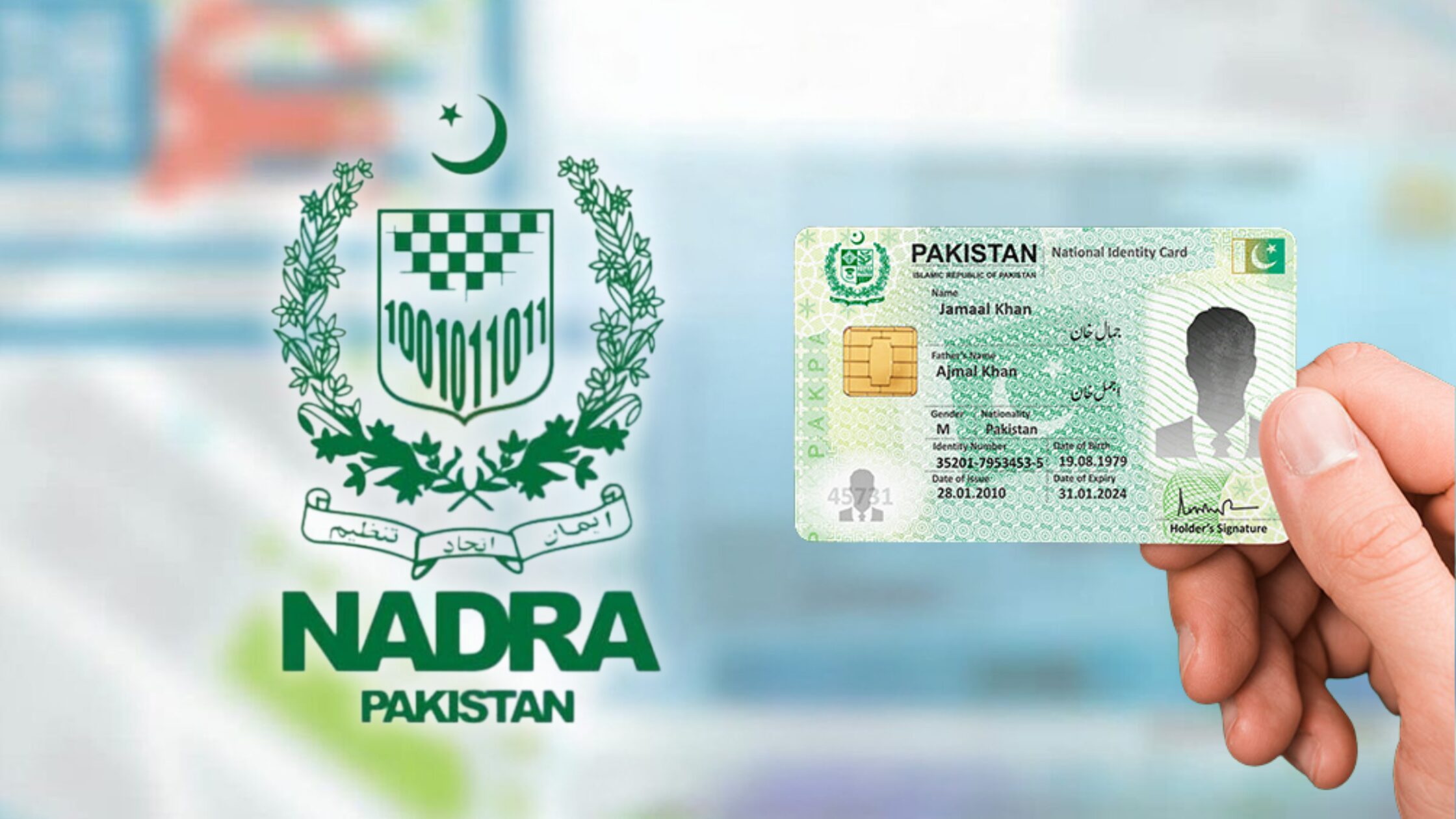
Having a Computerized National Identity Card (CNIC) blocked can severely disrupt daily life in Pakistan, affecting access to banking, travel, employment, and essential services. Blocks often occur due to verification issues, court orders, security concerns, or administrative errors by the National Database and Registration Authority (NADRA). In Islamabad and Peshawar, where federal and provincial mechanisms intersect, unblocking requires a combination of administrative appeals and legal remedies, including writ petitions under Article 199 of the Constitution. This blog provides a comprehensive guide on how to unblock a blocked CNIC, focusing on practical procedures, legal remedies, and writ options tailored to these cities. As of September 18, 2025, digital tools and court precedents have streamlined processes, but professional assistance is often essential for swift resolution.
Understanding the reasons for blocking—such as suspicion of dual nationality, fraud allegations, or compliance with judicial directives—is the first step. NADRA’s NADRA Ordinance, 2000, limits its authority, with courts frequently intervening to protect fundamental rights. This guide equips affected individuals with actionable steps to restore their CNIC status.
Understanding Why CNICs Get Blocked
CNICs are blocked by NADRA for various reasons, including security verifications, intelligence reports, court orders in criminal or civil cases, or discrepancies in personal data like paternity disputes. Common triggers include the National Re-verification Programme, where cards are flagged as “suspect” based on vigilance checks or external agency inputs. In regions like Peshawar, blocks may arise from border-related scrutiny or refugee ancestry concerns, while in Islamabad, federal investigations play a larger role.
Blocks suspend citizenship rights temporarily, but they are not permanent unless confirmed through due process. Courts have ruled that arbitrary blocking violates Article 9 (security of person) and Article 14 (dignity) of the Constitution, emphasizing the need for notice and hearing. For instance, without a show-cause notice under Section 18 of the NADRA Ordinance, blocks are often deemed unlawful.
If your CNIC is blocked, check status via NADRA’s helpline (7000) or Pak Identity app. Early intervention prevents escalation, and for complex cases, CNIC unblocking lawyers in Islamabad can identify the root cause through NADRA inquiries.
Legal Framework for Unblocking CNICs
The NADRA Ordinance, 2000, empowers the authority to impound or cancel CNICs under Sections 17 and 18, but only after issuing a show-cause notice and allowing a hearing. Blocking without these steps lacks legal sanction, as affirmed by multiple High Court judgments. The Pakistan Citizenship Act, 1951, protects nationality rights, while the Constitution’s Article 199 enables writ jurisdiction for High Courts to quash illegal blocks.
Key precedents include the 2021 PLD 105 Islamabad High Court case, ruling NADRA lacks jurisdiction in family disputes, and the 2011 PLD 47 Peshawar High Court decision stressing due process. In 2024, the Lahore High Court (MLD 1020) reiterated that blocks require judicial oversight, not arbitrary action. As of 2025, NADRA must obtain written recommendations from relevant quarters before blocking, per Sindh High Court directives.
Administrative remedies under NADRA Rules allow appeals to the Federal Government via Section 18(3). For enforcement, writs are the primary tool, with appeals to the Supreme Court if needed.
Steps to Unblock a Blocked CNIC Administratively
Begin with administrative channels before escalating to courts. First, verify the block reason by visiting a NADRA Registration Center (NRC) or calling 7000; obtain a status report. If a notice was issued, respond within the stipulated time (usually 15-30 days) with documents like birth certificates, domicile, or family tree proofs.
Submit a formal application for unblocking at the nearest NRC, including an affidavit explaining the discrepancy and supporting evidence (e.g., utility bills for residency). For routine cases, NADRA clears blocks within 6-30 days after verification. Complex cases, like those flagged by intelligence, go to district committees comprising Deputy Commissioners, police, and agency reps.
Track progress via the Pak Identity app. If denied, appeal to NADRA’s Director General or the Ministry of Interior. Success rates are higher with complete documentation, but delays can exceed three months.
For guidance on appeals, NADRA appeal attorneys in Peshawar specialize in preparing responses to notices and committee presentations.
Legal Remedies for Unblocking CNICs
If administrative efforts fail, pursue legal remedies. Start with a representation to NADRA under Section 23 of the Ordinance, demanding reasons and a hearing. If unresolved, file a writ petition in the relevant High Court under Article 199, seeking mandamus to unblock the CNIC and quash the order.
Writs are effective, with courts often directing unblocking if due process is violated. For example, in 2018 MLD 1748, the Karachi High Court ordered de-blocking for a family based on lack of inquiry. Remedies include interim relief to suspend the block during hearings. Criminal blocks (e.g., absconder status) require proving no proceedings under CrPC Sections 87-88.
Consult a lawyer to draft the petition, citing precedents like PLD 2022 Lahore 756, which deemed civil blocks unconstitutional. Fees for filing are nominal (Rs. 500-1,000), but lawyer costs vary.
In persistent cases, approach the Federal Ombudsman or human rights commissions for mediation.
Experience Compassion
We provide compassionate legal support, ensuring clients feel heard, respected, and guided through every step.
Integrity Compassion
Our practice is built on honesty and empathy, delivering ethical and client-focused legal solutions.
Filing Writ Petitions in High Courts
Writ petitions under Article 199 are filed in the High Court with territorial jurisdiction—Islamabad High Court (IHC) for federal matters or Peshawar High Court (PHC) for Khyber Pakhtunkhwa residents. Prepare the petition with facts, grounds (e.g., violation of Article 9), and affidavits. Serve notice to NADRA and respondents.
Courts admit writs if fundamental rights are infringed, issuing notices for replies within 14-30 days. Hearings focus on due process lapses; interim orders can unblock CNICs pending resolution. Full judgments take 1-6 months, with appeals to the Supreme Court.
Precedents like the 2021 Sindh High Court ruling prohibit blocks without verification reports strengthen petitions. For effective filing, writ petition lawyers ensure compliance with court rules and evidence presentation.
Procedure in Islamabad
In Islamabad, approach NADRA’s head office or mega centers (e.g., G-10 Markaz) for initial unblocking requests. Submit applications with biometrics for verification; federal proximity aids quick committee formations for complex cases.
For writs, file at IHC in G-5, challenging blocks under federal oversight. The court often prioritizes cases involving security or citizenship, as in the 2021 PLD 105 ruling. Digital filing via e-courts (introduced 2025) speeds admissions. IHC benches emphasize NADRA’s limited role, frequently granting relief without full trials.
Challenges include high caseloads, but interim stays are common. Local experts navigate federal agencies efficiently.
For Islamabad-specific support, CNIC writ attorneys in Islamabad handle IHC filings and NADRA liaisons.
Procedure in Peshawar
In Peshawar, start at NADRA centers (e.g., Phase V Hayatabad) or district NRCs for status checks and applications. Provincial committees, involving Deputy Commissioners and KP police, handle verifications, especially for border-related blocks.
File writs at PHC in Phase V, Saddar, under Article 199 for Khyber Pakhtunkhwa jurisdiction. The court, as in 2011 PLD 47, mandates hearings before blocks. Recent 2025 petitions, like one against family blocks, show PHC issuing notices to NADRA within 14 days. Pashto support and mobile units aid rural applicants.
Regional sensitivities, like refugee scrutiny, require strong evidence. PHC prioritizes due process violations.
Engage NADRA unblocking lawyers in Peshawar for provincial committee advocacy and PHC petitions.
Seeking Professional Legal Assistance
Unblocking a CNIC often involves intricate legal and administrative hurdles, making professional help indispensable. Lawyers assist with document gathering, notice responses, committee representations, and writ drafting, increasing success rates.
Nouman Muhib Kakakhel – Lawyer & Legal Consultant offers specialized services in NADRA matters, from initial appeals to High Court litigation, ensuring compliance and timely resolutions.
In Islamabad and Peshawar, jurisdiction-specific expertise is key. Professionals like identity card remedy attorneys in Peshawar provide tailored strategies for local challenges.
Conclusion
Unblocking a blocked CNIC in Islamabad and Peshawar requires prompt administrative action followed by legal remedies like writ petitions if needed, safeguarding your constitutional rights. As of September 18, 2025, precedents from IHC and PHC emphasize due process, making courts a reliable recourse against arbitrary blocks. By verifying status, submitting proofs, and seeking writs under Article 199, individuals can restore access to essential services. Engage experts like Nouman Muhib Kakakhel – Lawyer & Legal Consultant early to navigate NADRA and courts effectively, turning a disruptive issue into a resolved one.
How to Unblock a Blocked CNIC in Islamabad & Peshawar — Legal Remedies & Writs?
Explore our wide range of legal expertise, from constitutional and corporate law to family, criminal, and civil matters. Our lawyers provide trusted guidance and effective representation.
Contact
- Chamber of, Nouman Muhib Kakakhel, Yousaf Riaz Block, Judicial Complex, opposite to Serena Hotel, PTCL Colony, Peshawar, 25000, Pakistan
- office@nmklegal.com
- +92334 4440844