

How to File an Application for Guardians & Wards in Islamabad & Peshawar — Forms & Evidence?
How to File an Application for Guardians & Wards in Islamabad & Peshawar — Forms & Evidence?
Filing an application under the Guardians and Wards Act, 1890, is a critical step for individuals seeking legal guardianship of a minor in Pakistan, particularly in Islamabad and Peshawar. This process ensures the protection of a minor’s welfare, including their person and property, in cases of parental demise, abandonment, or incapacity. Governed by federal and provincial laws, the procedure in Islamabad (under federal jurisdiction) and Peshawar (within Khyber Pakhtunkhwa’s framework) requires specific forms, evidence, and adherence to court protocols. As of September 2025, digital advancements have streamlined some aspects, but precision in documentation remains essential. This guide details the steps, required forms, and necessary evidence to navigate the process, empowering prospective guardians to act effectively.
Guardianship applications are typically filed in Family Courts, addressing issues like custody, maintenance, or property management for minors (under 18, or 21 in extended cases). Courts prioritize the child’s best interests, guided by Islamic principles and statutory mandates, making thorough preparation crucial.
Legal Basis for Guardianship Applications
The Guardians and Wards Act, 1890, governs guardianship in Pakistan, applicable in both Islamabad and Peshawar. Section 7 empowers courts to appoint a guardian for a minor’s person, property, or both, prioritizing their welfare under Section 17. Islamic law, per the Muslim Family Laws Ordinance, 1961, designates natural guardians (typically fathers, then mothers) and requires court approval for others.
In Islamabad, Family Courts in the Islamabad Capital Territory (ICT) operate under federal oversight, while in Peshawar, KPK’s Family Courts incorporate provincial nuances, such as the Child Protection Act, 2010. Courts may appoint guardians ad litem under Section 12 for interim protection during disputes. Recent 2025 rulings emphasize transparency, mandating detailed affidavits to prevent misuse.
Applicants must demonstrate suitability, including financial stability and religious compatibility. Understanding these laws ensures compliance.
Consulting guardianship law experts in Islamabad clarifies jurisdictional nuances.
Who Can File a Guardianship Application?
Eligible applicants include natural parents, relatives, or third parties (e.g., orphanage representatives) willing to assume responsibility. Under Section 19, courts prefer natural guardians unless unfit (e.g., due to neglect or criminality). Single women can apply, especially for female minors, but single men face stricter scrutiny per cultural norms.
Applicants must be over 25, financially stable, and of sound character, with no conflicting interests. Religious alignment is critical: Muslim minors require Muslim guardians. In Peshawar, tribal customs may influence, but courts uphold statutory criteria. Non-residents need local nominees for accessibility.
Eligibility disputes often arise in complex family dynamics, requiring robust evidence.
To confirm qualifications, seek guardianship eligibility advisors in Peshawar for tailored assessments.
Required Forms for Guardianship Applications
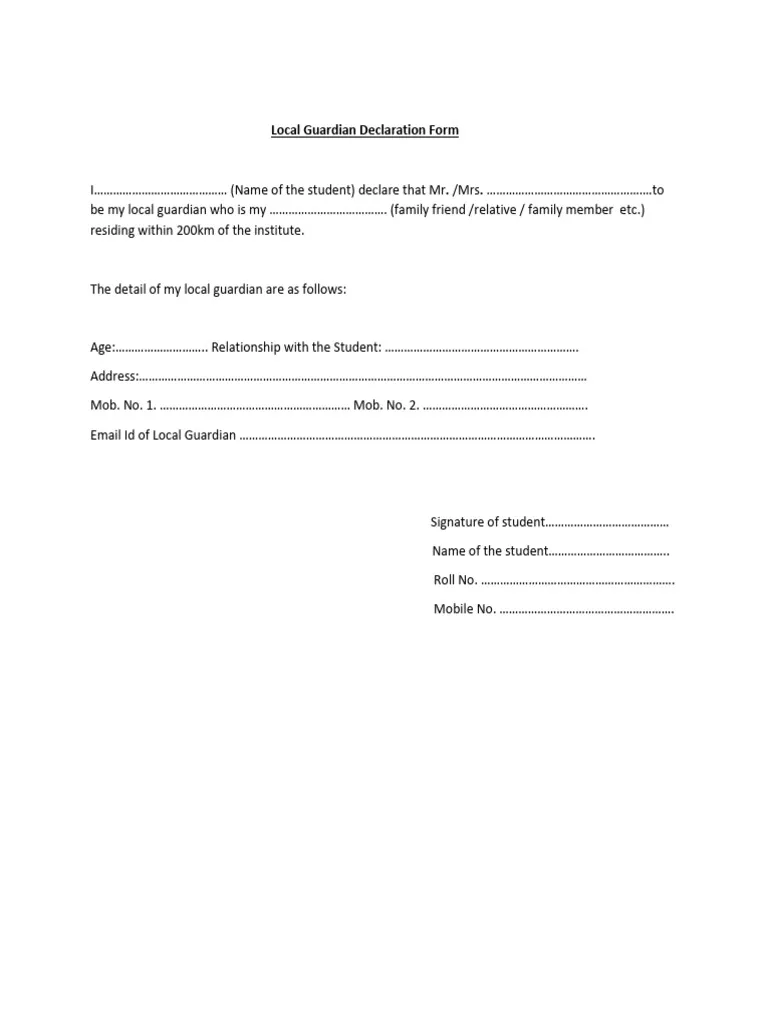
In Islamabad, Family Courts use Form A (Application for Appointment of Guardian) under the Guardians and Wards Rules, 1890, available at court registries or via the Islamabad High Court (IHC) e-portal. The form requires details like the minor’s name, age, residence, and property (if any), plus the applicant’s relationship and qualifications.
In Peshawar, Form A applies, obtainable from District Court offices or PHC’s website. For property-related guardianship, Form B (inventory of minor’s assets) may be annexed. Both require stamp paper (PKR 50-100) and court fees (PKR 500-1000).
Since 2025, digital submissions are accepted, but physical copies are verified. Forms should be typed or legibly handwritten in English or Urdu.
Accurate completion prevents rejections. Guidance from guardianship form specialists in Islamabad streamlines preparation.
Essential Evidence and Documentation
Evidence substantiates the need for guardianship and the applicant’s suitability. Key documents include:
Applicant’s Identity: CNIC, passport, or domicile certificate.
Minor’s Details: Birth certificate, B-Form from NADRA, or abandonment affidavit for foundlings.
Relationship Proof: Family tree, marriage certificate, or kinship affidavits.
Financial Stability: Bank statements, salary slips, or property deeds (last 6 months).
Character Evidence: Police clearance or character affidavits from two witnesses.
Minor’s Property: Title deeds, mutation records, or valuation reports (if applicable).
Welfare Evidence: School records, medical reports, or orphanage consent letters.
For deceased parents, attach death certificates. In Peshawar, Child Protection Bureau reports may be required; in Islamabad, social welfare endorsements strengthen cases. All documents need attestation by a gazetted officer or notary public.
Incomplete evidence delays proceedings. Engaging evidence preparation consultants in Peshawar ensures comprehensive submissions.
Experience Compassion
We provide compassionate legal support, ensuring clients feel heard, respected, and guided through every step.
Integrity Compassion
Our practice is built on honesty and empathy, delivering ethical and client-focused legal solutions.
Step-by-Step Filing Process in Islamabad
- Prepare Application: Complete Form A, detailing the minor’s circumstances and your suitability. Attach an affidavit swearing to facts.
- Gather Evidence: Compile attested documents, ensuring property details are verified by revenue authorities.
- Pay Fees: Deposit court fees via State Bank challan (IHC account for Islamabad).
- File Application: Submit at the Family Court’s Filing Branch in Islamabad’s District Judiciary. Obtain a diary number for tracking.
- Court Scrutiny: The court checks for defects (e.g., missing attestations). Cure within 7-14 days.
- Hearing: Attend the preliminary hearing (within 15-30 days), where the court may appoint a guardian ad litem. Notices issue to biological relatives.
- Final Order: Post-evidence and arguments, the court issues a guardianship certificate (3-6 months, per 2025 data).
E-filing via IHC’s portal is encouraged, with physical verification mandatory.
This process demands diligence. Support from guardianship filing experts in Islamabad enhances efficiency.
Step-by-Step Filing Process in Peshawar
The procedure aligns with PHC’s rules:
- Draft Application: Use Form A, specifying KPK-specific details like tribal affiliations if relevant.
- Collect Documents: Include local revenue records and Child Protection endorsements.
- Pay Fees: Use treasury challan for PHC accounts.
- Submit: File at Peshawar’s District Court or PHC bench (e.g., Mingora). Secure diary number.
- Address Defects: Fix issues like incomplete forms within 10 days.
- Court Proceedings: Attend hearings (15-45 days post-filing). PHC may involve mediation per local norms.
- Judgment: Certificate issued within 4-8 months, influenced by caseloads.
Virtual hearings in 2025 reduce travel for rural applicants.
Local expertise aids compliance. Consult guardianship process advisors in Peshawar for smooth filings.
Common Challenges and Solutions
Challenges include biological family objections, requiring proof of abandonment or unfitness (e.g., affidavits, police reports). Incomplete documentation, like missing B-Forms, halts cases—solution: obtain court-declared substitutes. Jurisdictional errors (e.g., filing in wrong court) are common; verify venue per minor’s residence.
In Peshawar, cultural biases may favor male guardians, countered by emphasizing welfare. In Islamabad, bureaucratic delays persist—e-filing mitigates this. Fraud allegations necessitate transparent records.
Proactive measures like pre-filing audits resolve issues. Seek guardianship challenge specialists in Islamabad for strategic planning.
Timeline for Guardianship Applications
The limitation period is flexible but tied to the minor’s age (before 18). Filing takes 1-2 weeks for preparation, with hearings starting within 15-45 days. Disposal averages 3-6 months in Islamabad and 4-8 in Peshawar, per 2025 court data. Urgent cases (e.g., orphaned minors) are fast-tracked.
Delays occur due to objections or backlogs. Monitor via IHC/PHC case management systems.
Timely action is critical. Assistance from guardianship timeline consultants in Peshawar optimizes schedules.
Post-Filing Responsibilities
Post-appointment, guardians must file annual property accounts (Section 34), seek court approval for major transactions (Section 29), and ensure the minor’s welfare. In Islamabad, ICT welfare boards may conduct inspections; in Peshawar, KPK’s Child Protection units monitor compliance.
Non-compliance risks revocation under Section 39. Update NADRA records post-certification.
Ongoing duties require vigilance. Engage post-guardianship advisors in Islamabad for sustained support.
Seeking Professional Legal Assistance
The complexity of guardianship applications warrants expert guidance. Nouman Muhib Kakakhel – Lawyer & Legal Consultant specializes in family law, offering end-to-end services in Islamabad and Peshawar. From form preparation to court representation, his firm ensures Sharia compliance and procedural accuracy, safeguarding minors’ interests.
Conclusion
Filing a guardianship application in Islamabad and Peshawar demands meticulous preparation, from completing Form A to presenting robust evidence. By adhering to these steps and addressing challenges proactively, applicants can secure legal protection for minors efficiently. In a landscape shaped by legal and cultural nuances, professional assistance is invaluable for success.
How to File an Application for Guardians & Wards in Islamabad & Peshawar — Forms & Evidence?
Explore our wide range of legal expertise, from constitutional and corporate law to family, criminal, and civil matters. Our lawyers provide trusted guidance and effective representation.
Contact
- Chamber of, Nouman Muhib Kakakhel, Yousaf Riaz Block, Judicial Complex, opposite to Serena Hotel, PTCL Colony, Peshawar, 25000, Pakistan
- office@nmklegal.com
- +92334 4440844