

How to File a Writ for Delay in POC or CNIC Issuance — Islamabad & Peshawar High Courts?
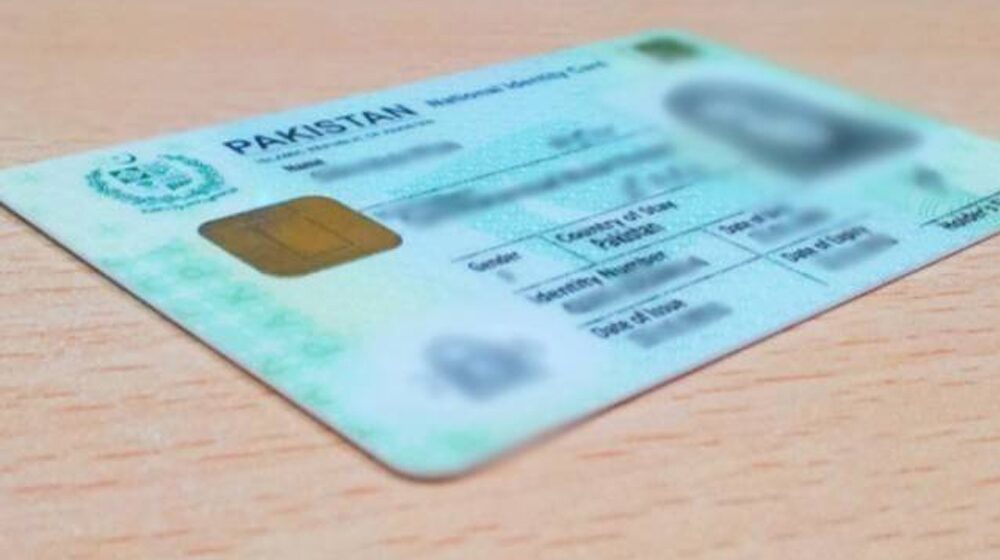
How to File a Writ for Delay in POC or CNIC Issuance — Islamabad & Peshawar High Courts?
Delays in the issuance of Pakistan Origin Cards (POC) or Computerized National Identity Cards (CNIC) can create serious difficulties for individuals and families. Without these documents, citizens and applicants often face obstacles in travel, banking, property transactions, and even access to essential services. When administrative delays become unreasonable, the law provides a remedy in the form of filing a writ petition before the Islamabad High Court or the Peshawar High Court.
Nouman Muhib Kakakhel – Lawyer & Legal Consultant has represented applicants who face long delays in obtaining their identity documents, ensuring that their rights are enforced through the courts.
Legal Basis for Filing a Writ Petition
A writ petition is a constitutional remedy available when government authorities fail to perform their duties or violate fundamental rights. In the context of POC and CNIC issuance, unreasonable delays by NADRA can be challenged through a writ of mandamus, compelling the authority to fulfill its responsibility. This legal framework empowers applicants in Islamabad and Peshawar to seek judicial intervention when administrative inaction disrupts their rights and daily lives.
Applicants often consult writ petition lawyers for identity delays in Pakistan to evaluate whether their case qualifies for judicial review.
Documents Required for Filing a Writ
Before approaching the court, applicants must gather complete evidence to support their claim. This usually includes the initial POC or CNIC application receipt, correspondence with NADRA showing pending status, proof of payment of fees, and any notices or acknowledgments received from the authority. Applicants may also present evidence of the hardship caused by the delay, such as missed travel opportunities or inability to access financial services. Courts in Islamabad and Peshawar expect these records to be clear and verifiable before admitting a petition.
With the help of documentation experts for writ petitions in Pakistan, applicants can prepare strong supporting evidence for their case.
Filing the Writ in Islamabad & Peshawar High Courts
The process begins by drafting and filing a constitutional petition through a lawyer licensed to appear before the relevant High Court. The petition must detail the delay, explain the steps already taken with NADRA, and request the court to order the authority to issue the POC or CNIC without further obstruction. Once filed, the court may issue notices to NADRA, requiring them to explain the delay. In many cases, High Courts in Islamabad and Peshawar direct the authority to resolve the matter promptly, restoring the applicant’s rights.
Applicants seeking smooth litigation often engage High Court writ services in Pakistan to ensure that their petitions are well-prepared and argued effectively.
Experience Compassion
We provide compassionate legal support, ensuring clients feel heard, respected, and guided through every step.
Integrity Compassion
Our practice is built on honesty and empathy, delivering ethical and client-focused legal solutions.
Common Challenges in Writ Proceedings
While writ petitions provide an effective remedy, challenges are common. NADRA may argue that the delay is due to verification issues, missing records, or pending security clearances. Applicants who fail to maintain proper documentation or who have discrepancies in their records may face additional scrutiny. In Islamabad, where federal oversight is strict, and in Peshawar, where refugee registration issues often overlap with identity card cases, courts may require extensive clarification.
These challenges can be minimized by relying on experienced writ litigation consultants in Pakistan who anticipate objections and prepare responses in advance.
Relief and Outcomes from the Court
When the court is satisfied that the delay is unjustified, it can order NADRA to issue the POC or CNIC within a fixed timeframe. In some cases, courts also direct the authority to communicate clear reasons for any further delay, ensuring transparency and accountability. For applicants in Islamabad and Peshawar, such orders often expedite the issuance process, giving them the legal certainty and practical relief they require.
Many applicants achieve success by seeking assistance from court-enforced identity card services in Pakistan that specialize in securing judicial remedies.
Final Thoughts
Unnecessary delays in the issuance of POC and CNIC cards disrupt the daily lives of citizens and applicants with genuine rights. In such situations, filing a writ petition before the Islamabad or Peshawar High Court is often the most effective legal remedy. With proper preparation of documents, strong legal representation, and timely action, applicants can compel authorities to perform their duties and protect their rights.
Nouman Muhib Kakakhel – Lawyer & Legal Consultant provides professional legal support in filing writ petitions, helping individuals overcome delays and ensuring timely issuance of POC and CNIC cards in Pakistan.
How to File a Writ for Delay in POC or CNIC Issuance — Islamabad & Peshawar High Courts?
Explore our wide range of legal expertise, from constitutional and corporate law to family, criminal, and civil matters. Our lawyers provide trusted guidance and effective representation.
Contact
- Chamber of, Nouman Muhib Kakakhel, Yousaf Riaz Block, Judicial Complex, opposite to Serena Hotel, PTCL Colony, Peshawar, 25000, Pakistan
- office@nmklegal.com
- +92334 4440844