
How to Collect Medical Evidence for Malpractice Cases — Islamabad & Peshawar Checklist.
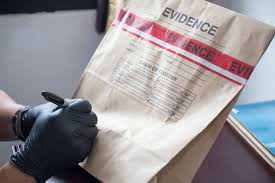
How to Collect Medical Evidence for Malpractice Cases — Islamabad & Peshawar Checklist
Medical malpractice cases require a strong foundation of evidence to succeed in court. Patients and families seeking justice often struggle with the complexities of gathering the right documents and testimony. Whether you are in Islamabad or Peshawar, understanding how to systematically collect medical malpractice evidence is crucial for building a compelling case. Below is a structured checklist to guide you through the process.
Understanding Medical Records as Primary Evidence
The first step in any malpractice case is securing complete medical treatment records from the healthcare provider or hospital. These documents include admission notes, diagnostic test results, prescriptions, and surgical reports. They form the backbone of any malpractice claim, as they demonstrate the medical decisions made by doctors and their outcomes.
Obtaining these records promptly helps avoid delays and ensures nothing is altered or misplaced. In many cases, patients may require legal assistance to request certified copies of records. A well-documented set of medical treatment records can directly establish whether protocols were breached.
Medical treatment records are often the strongest evidence to prove whether negligence occurred.
Gathering Expert Medical Opinions
Beyond records, courts rely heavily on expert medical testimony to evaluate whether the standard of care was violated. In Islamabad and Peshawar, specialists in relevant fields can provide written or oral testimony to support the claim. Their role is to clarify complex medical procedures and determine whether another professional in the same position would have acted differently.
Independent experts should ideally have no ties to the treating hospital to ensure impartiality. The credibility of expert medical testimony can make or break a malpractice case.
Expert medical testimony gives the court a clear benchmark of what standard care should look like.
Documenting Communication with Healthcare Providers
Every phone call, consultation, or written exchange with a doctor or hospital must be carefully logged. These patient–doctor communications often reveal discrepancies in the care process, delays in treatment, or lack of informed consent.
Patients should maintain a journal of conversations and collect any written instructions or SMS notifications from the healthcare provider. Properly catalogued patient–doctor communications provide context to medical records and highlight gaps in duty of care.
Patient–doctor communications may also expose attempts to downplay or conceal errors.
Collecting Witness Statements
In many cases, family members or attendants were present during hospital visits, surgeries, or consultations. Their witness statements can offer valuable perspectives on how the treatment unfolded. Witness accounts are particularly useful when patients were unconscious or under anesthesia and unable to recall events.
Lawyers often help in drafting affidavits to ensure witness statements are legally admissible in court. These narratives complement medical evidence by providing real-world observations of hospital conduct.
Witness statements strengthen the case by adding independent corroboration of events.
Experience Compassion
We provide compassionate legal support, ensuring clients feel heard, respected, and guided through every step.
Integrity Compassion
Our practice is built on honesty and empathy, delivering ethical and client-focused legal solutions.
Preserving Physical and Digital Evidence
Evidence is not limited to paper records—photographs of injuries, video clips of treatment facilities, and emails with medical staff are equally important. This type of physical and digital medical evidence captures the condition of the patient and environment at the time of alleged negligence.
It is critical to store these files securely and avoid alterations that might compromise authenticity. Courts often give significant weight to physical and digital medical evidence because it provides undeniable visual proof.
Physical and digital medical evidence can make malpractice claims more concrete and less reliant on interpretation.
Role of Legal Guidance in Evidence Collection
While patients and families can gather preliminary information, working with an experienced legal professional ensures evidence is admissible and properly presented. In both Islamabad and Peshawar, engaging a specialist such as Nouman Muhib Kakakhel – Lawyer & Legal Consultant helps streamline the process and avoid procedural errors.
A lawyer can request certified medical records, engage impartial experts, and prepare evidence for court in compliance with local laws. Partnering with legal expertise bridges the gap between raw medical data and a compelling case strategy.
Final Thoughts
Collecting medical evidence for malpractice cases in Islamabad and Peshawar requires diligence, organization, and professional assistance. From medical treatment records to expert medical testimony, every piece of evidence contributes to painting a complete picture of negligence. With a structured checklist and the guidance of a trusted legal consultant, patients can pursue justice effectively and confidently.
How to Collect Medical Evidence for Malpractice Cases — Islamabad & Peshawar Checklist.
Explore our wide range of legal expertise, from constitutional and corporate law to family, criminal, and civil matters. Our lawyers provide trusted guidance and effective representation.
Contact
- Chamber of, Nouman Muhib Kakakhel, Yousaf Riaz Block, Judicial Complex, opposite to Serena Hotel, PTCL Colony, Peshawar, 25000, Pakistan
- office@nmklegal.com
- +92334 4440844