How to Bring a Domain Name Dispute (UDRP) & Local Action — Islamabad & Peshawar Options?
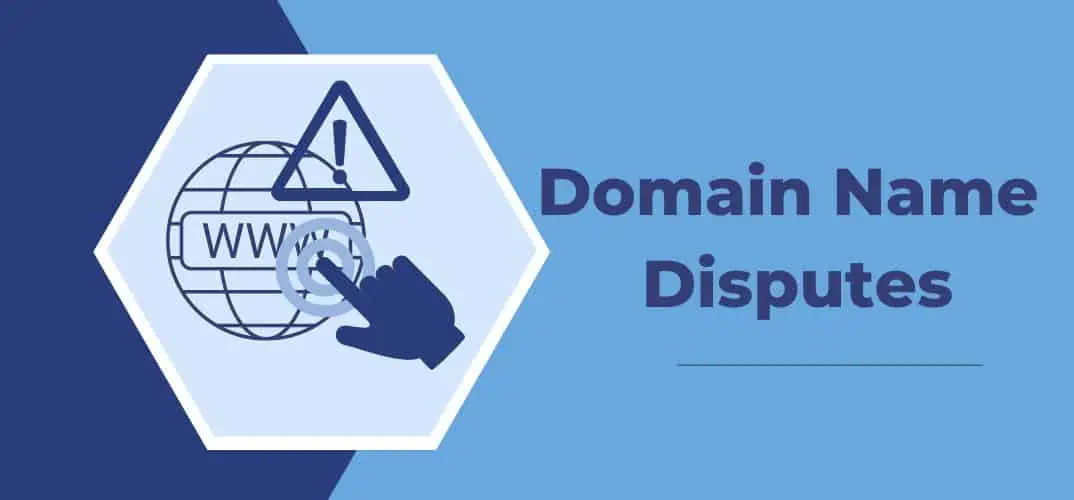
How to Bring a Domain Name Dispute (UDRP) & Local Action — Islamabad & Peshawar Options?
In the digital era, domain names serve as vital assets for businesses and individuals, representing online identity and brand value. However, disputes arise when cybersquatters register domains mimicking trademarks to extort or mislead, leading to financial and reputational harm. This blog explores how to resolve domain name disputes through the Uniform Domain-Name Dispute-Resolution Policy (UDRP) and local court actions, with a focus on options in Islamabad and Peshawar, Pakistan. Whether dealing with .pk or generic top-level domains (gTLDs), understanding these pathways is essential for swift recovery.
Pakistan’s legal system provides dual avenues: the efficient, international UDRP for administrative resolution and traditional courts for comprehensive remedies under trademark laws. As of 2025, with increasing online commerce, these mechanisms have evolved to address rising cybersquatting incidents. This guide outlines the processes, requirements, and jurisdictional specifics to empower rights holders.
Understanding Domain Name Disputes
Domain name disputes typically involve bad faith registration or use of a domain that confuses consumers with an established trademark. Cybersquatting, a common form, occurs when someone registers a domain to profit from another’s goodwill, such as by demanding ransom or diverting traffic. In Pakistan, while there’s no standalone cybersquatting statute, these issues fall under the Trademarks Ordinance, 2001, which protects registered marks against passing off and infringement.
For .pk domains managed by PKNIC, disputes are governed by an adapted UDRP, allowing resolution through approved providers. gTLD disputes (.com, .net) follow the global ICANN UDRP. Evidence of infringement includes WHOIS data, screenshots of misleading sites, and proof of trademark priority. Early detection via monitoring services can prevent escalation.
Resolving such conflicts requires proving trademark rights, lack of respondent legitimacy, and bad faith. Success rates under UDRP hover around 80-90% for valid claims, making it a preferred first step before costly litigation.
The UDRP Process Overview
The UDRP, administered by ICANN-approved bodies like WIPO or the Domain Name Dispute Resolution Centre (DNDRC) in Pakistan, offers a non-judicial, expedited way to transfer or cancel disputed domains. It’s applicable to .pk domains via PKNIC’s policy and all gTLDs. The process typically concludes in 2-3 months, faster than courts.
To succeed, complainants must demonstrate three elements: (1) prior trademark rights in the domain’s name or confusingly similar term, (2) the respondent has no legitimate rights or interests, and (3) the domain was registered and used in bad faith—such as for resale, phishing, or blocking the trademark owner. Bad faith evidence might include offers to sell the domain at a premium or prior infringing history.
For .pk specifics, contact PKNIC first to verify eligibility, as they notify registrants and forward to providers like DNDRC. Fees range from USD 1,500 for single-panelist cases, with decisions binding unless appealed in court within 10 days.
This administrative route is cost-effective for clear-cut cases, avoiding the formalities of local actions. However, it doesn’t award damages, limiting remedies to domain transfer.
Experience Compassion
We provide compassionate legal support, ensuring clients feel heard, respected, and guided through every step.
Integrity Compassion
Our practice is built on honesty and empathy, delivering ethical and client-focused legal solutions.
Steps to File a UDRP Complaint
Initiating a UDRP starts with preparing a complaint using model forms from WIPO or DNDRC. Include trademark certificates, domain details, and annexes proving the three elements. Submit electronically to the provider, copying the registrar (e.g., PKNIC for .pk), and pay fees based on domain count and panel size.
Upon filing, the provider notifies the respondent, who has 20 days to respond. If no response, a default decision favors the complainant. A panel of one or three experts reviews submissions, issuing a decision enforceable by the registrar suspending or transferring the domain.
For .pk, DNDRC handles most cases locally, ensuring cultural and procedural familiarity. Post-decision, monitor implementation; non-compliance allows ICANN enforcement.
In complex scenarios involving multiple domains or counterclaims, professional drafting enhances success. Engaging UDRP experts in Islamabad can streamline evidence compilation and filing, particularly for cross-border elements.
Local Legal Actions for Domain Disputes
When UDRP isn’t suitable—such as for damages or non-UDRP domains—local courts provide broader remedies under Pakistan’s IP framework. Disputes are treated as trademark infringement or passing off suits, with courts empowered to order domain transfer, injunctions, damages, and account of profits.
Jurisdiction lies with Intellectual Property Tribunals (IPTs) under the IPO Pakistan Act, 2012, or civil courts if no IPT is available. File a plaint detailing infringement, supported by trademark registration and evidence of harm. Criminal aspects under the Trademarks Ordinance can lead to fines or imprisonment for willful violations.
Unlike UDRP, court actions allow discovery, witnesses, and monetary relief but take 1-3 years due to backlogs. Appeals go to High Courts. For .pk domains, courts can direct PKNIC to act on judgments.
This route suits cases needing punitive measures or where UDRP panels lack authority over local nuances.
Domain Dispute Options in Islamabad
Islamabad, home to federal IP institutions, offers robust options via the Intellectual Property Tribunal (IPT) Islamabad, which has exclusive jurisdiction over IP suits including domain-related trademark claims. To initiate, file at the IPT with a verified plaint, court fees (around PKR 10,000-50,000), and interim relief application for urgent injunctions against domain use.
Proceedings follow the Code of Civil Procedure, with hearings for evidence and arguments. The IPT can mandate domain transfer or blocking. For UDRP appeals or parallel actions, the Islamabad High Court supervises, ensuring enforcement against registrants.
Federal proximity aids access to IPO Pakistan for expert opinions. Challenges include procedural delays, but digital filing has improved efficiency as of 2025.
For tailored navigation, consider domain recovery lawyers in Islamabad who coordinate UDRP and court strategies effectively.
Domain Dispute Options in Peshawar
In Peshawar, the Intellectual Property Tribunal Peshawar handles domain disputes under provincial jurisdiction, focusing on Khyber Pakhtunkhwa-based infringers. Filing mirrors Islamabad: submit a plaint to the IPT with evidence, seeking injunctions or transfer orders. Fees and timelines are similar, with emphasis on local trademark impacts like regional businesses.
The Peshawar High Court reviews appeals, providing oversight for complex cases involving bad faith or damages. For .pk domains, coordination with PKNIC is key, and UDRP decisions can be enforced here if challenged.
Regional factors, such as Pashtun cultural brands, highlight the need for localized evidence. While IPTs reduce general court burdens, awareness remains a hurdle.
Specialists like cybersquatting attorneys in Peshawar offer insights into provincial court dynamics, optimizing outcomes for complainants.
Seeking Professional Legal Assistance
Handling domain disputes demands expertise in international policies like UDRP and local IP laws. Professionals assist with complaint drafting, evidence gathering, tribunal representation, and post-resolution enforcement. They also advise on preventive steps, such as trademark registration and domain watching.
Nouman Muhib Kakakhel – Lawyer & Legal Consultant excels in these areas, providing end-to-end support for IP challenges. Early consultation minimizes risks and maximizes recovery chances.
In Islamabad and Peshawar, jurisdiction-specific knowledge is crucial. Opt for trademark domain lawyers in Peshawar to address unique regional aspects seamlessly.
Conclusion
Bringing a domain name dispute via UDRP or local actions in Islamabad and Peshawar equips rights holders with powerful tools against cybersquatting. UDRP offers speed for clear cases, while courts provide depth for damages and injunctions. Choose based on your needs, but always prioritize evidence and timeliness. With Pakistan’s IP framework strengthening, proactive enforcement protects digital assets effectively. Consult experts to initiate your claim today.
How to Bring a Domain Name Dispute (UDRP) & Local Action — Islamabad & Peshawar Options?
Explore our wide range of legal expertise, from constitutional and corporate law to family, criminal, and civil matters. Our lawyers provide trusted guidance and effective representation.
Contact
- Chamber of, Nouman Muhib Kakakhel, Yousaf Riaz Block, Judicial Complex, opposite to Serena Hotel, PTCL Colony, Peshawar, 25000, Pakistan
- office@nmklegal.com
- +92334 4440844