

How to Appeal NADRA Citizenship & PoC Decisions in Islamabad & Peshawar High Courts?
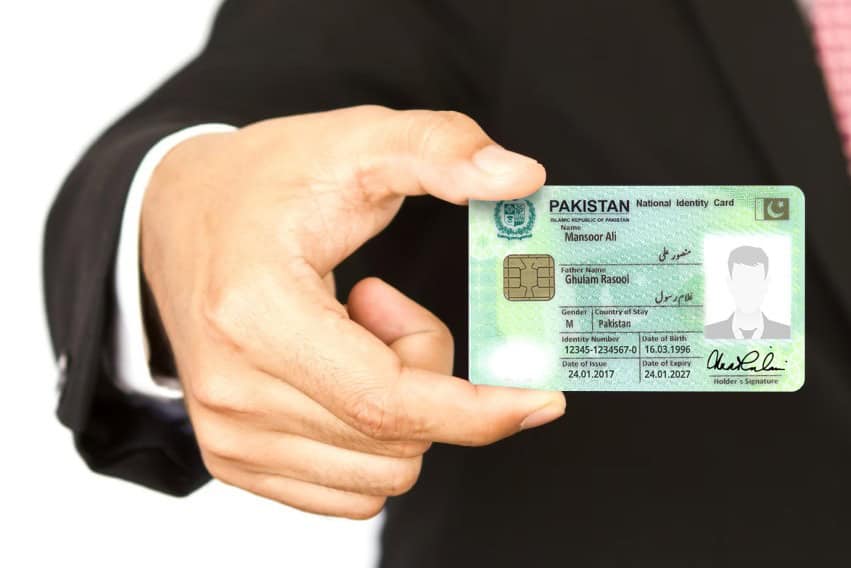
How to Appeal NADRA Citizenship & POC Decisions in Islamabad & Peshawar High Courts?
Appealing decisions by the National Database and Registration Authority (NADRA) on citizenship matters or Pakistan Origin Card (POC) applications is a crucial legal recourse for individuals facing denials, cancellations, or delays that impact their nationality rights and access to services. In Islamabad and Peshawar, where federal and provincial jurisdictions often overlap, such appeals are typically pursued through writ petitions under Article 199 of the Constitution in the respective High Courts, allowing judicial review of NADRA’s administrative actions. This blog provides a comprehensive guide on how to appeal NADRA citizenship and POC decisions in the Islamabad High Court (IHC) and Peshawar High Court (PHC), outlining practical steps, legal remedies, and procedural nuances. As of September 18 2025, recent court precedents emphasize due process, making High Courts an effective venue for challenging arbitrary decisions and restoring rights.
NADRA’s role under the NADRA Ordinance 2000 includes issuing CNICs, POCs, and verifying citizenship, but its decisions must adhere to constitutional safeguards. Errors, such as wrongful blocks on citizenship claims or POC rejections due to documentation issues, can be rectified through these appeals, ensuring compliance with the Pakistan Citizenship Act 1951.
Understanding NADRA Citizenship and POC Decisions
NADRA decisions on citizenship often involve denials of CNIC issuance, citizenship certificates, or verifications for descent-based or marriage-based claims, frequently stemming from discrepancies in records, refugee parentage, or security concerns. POC decisions affect overseas Pakistanis or their descendants, with rejections commonly due to incomplete proofs of origin, dual nationality conflicts, or administrative oversights. These decisions can block access to banking, property ownership, or travel, violating fundamental rights under Articles 9 and 14 of the Constitution.
Appeals arise when NADRA fails to provide reasons, hearings, or adheres to due process, as mandated by Section 18 of the NADRA Ordinance. High Courts have consistently held that such actions are reviewable, with IHC and PHC directing NADRA to reconsider or issue documents in cases like refugee children’s citizenship claims.
For complex denials, professional guidance identifies appeal grounds. Consulting NADRA decision appeal lawyers in Islamabad helps analyze the decision and prepare for judicial review.
Legal Framework for Appealing NADRA Decisions
The legal basis for appeals lies in Article 199 of the Constitution, empowering High Courts to issue writs like mandamus (directing NADRA to perform its duty), certiorari (quashing unlawful decisions), or prohibition (halting illegal actions). The NADRA Ordinance 2000 provides internal remedies under Section 18 for appeals to the Federal Government, but these are often exhausted before court intervention. The Pakistan Citizenship Act 1951 and Naturalization Act 1926 govern substantive rights, with courts ensuring NADRA’s compliance.
Key precedents include IHC’s 2022 judgment in Fazal Haq v NADRA, directing lawful decision-making on citizenship pleas, and PHC’s 2024 rulings ordering POC issuance after quashing denials. Supreme Court dismissals of NADRA appeals, like in 2024 SCMR 197, reinforce High Court authority. As of 2025, courts mandate NADRA to provide reasoned orders, reducing arbitrary rejections.
Steps to Appeal NADRA Decisions Administratively
Before court appeals, exhaust administrative remedies to strengthen your case. Start by requesting written reasons for the decision from NADRA via a formal application at a NADRA center or through their portal. Respond to any show-cause notice with evidence like birth certificates, affidavits, or domicile proofs within the specified period, usually 15 to 30 days. If denied, file an internal appeal under Section 18 to NADRA’s Director General or the Ministry of Interior, submitting a detailed representation with supporting documents.
NADRA may refer complex cases to zonal verification boards or district committees for review, which can take one to three months. Track progress via the Pak Identity app or helpline 7000. If unresolved, this exhaustion forms the basis for court appeals.
For effective administrative appeals, POC appeal attorneys in Peshawar assist in drafting representations and gathering evidence.
Experience Compassion
We provide compassionate legal support, ensuring clients feel heard, respected, and guided through every step.
Integrity Compassion
Our practice is built on honesty and empathy, delivering ethical and client-focused legal solutions.
Legal Remedies Through Writ Petitions
High Courts offer remedies via writ petitions when administrative appeals fail or NADRA acts unlawfully. Mandamus compels NADRA to issue documents or decide applications, as in IHC cases directing CNIC issuance for birthright claims. Certiorari quashes erroneous decisions, like POC denials without hearings, while prohibition prevents ongoing violations.
Courts grant interim relief, such as stays on blocks, pending final hearings. Success depends on proving constitutional violations, with remedies including costs against NADRA if malice is shown. Appeals from High Court decisions lie with the Supreme Court under Article 185.
For writ strategies, citizenship writ lawyers in Islamabad specialize in framing petitions with precedents.
Filing Appeals in Islamabad High Court
In Islamabad, file writ petitions at the IHC in Sector G-5, under its federal jurisdiction for NADRA head office matters. Prepare the petition detailing facts, NADRA’s decision, grounds like due process violation, and prayers for relief, supported by affidavits and documents. Pay nominal fees of Rs 500 to 1000 and serve notices to NADRA and respondents.
The court admits petitions if fundamental rights are infringed, issuing notices for replies within 14 to 30 days. Hearings focus on legal lapses, with judgments in one to six months. IHC’s 2023 rulings, seeking NADRA explanations on birthright cases, highlight its proactive stance.
Digital e-filing introduced in 2025 speeds processes. Challenges include caseloads, but interim orders provide quick relief.
For IHC filings, NADRA court appeal experts in Islamabad ensure procedural compliance.
Filing Appeals in Peshawar High Court
In Peshawar, submit writ petitions at the PHC in Phase V Saddar, covering Khyber Pakhtunkhwa jurisdiction for local NADRA decisions. Draft the petition with case details, appeal grounds such as arbitrary POC denials, and required remedies, attaching evidence like POR card cancellations or citizenship proofs. Fees range from Rs 500 to 1000, with notices served to parties.
PHC admits cases violating rights, as in 2024 judgments directing POC issuance and canceling foreign cards. Hearings emphasize regional issues like refugee ancestry, with resolutions in one to six months. Pashto support and 2025 mobile filing aid accessibility.
Border sensitivities require strong proofs. PHC’s 2023 rulings on NADRA Ordinance compliance guide outcomes.
Engaging POC writ attorneys in Peshawar handles PHC specifics effectively.
Required Documents and Fees for Appeals
Gather NADRA’s decision letter, application copies, show-cause responses, and supporting proofs like birth records or marriage certificates. Include affidavits affirming facts and constitutional violations. Fees for writs are Rs 500 to 1000, with additional costs for stamps or copies. Court fees vary for appeals to Supreme Court.
Organize documents early to avoid adjournments. Digital submissions reduce paperwork in 2025.
Timeline and Processing of Appeals
Administrative appeals take one to three months, while writ petitions admit in days, with hearings in weeks and judgments in one to six months. Interim relief can restore status quickly. Supreme Court appeals extend timelines by three to twelve months.
Delays occur from incomplete files, but 2025 reforms prioritize citizenship cases.
Seeking Professional Legal Assistance
Appealing NADRA decisions demands expertise in constitutional law, administrative procedures, and court advocacy. Professionals draft petitions, gather evidence, and represent in hearings, boosting success rates.
Nouman Muhib Kakakhel – Lawyer & Legal Consultant provides specialized support for NADRA appeals, from administrative representations to High Court writs.
In Islamabad and Peshawar, local knowledge is vital. Specialists like citizenship appeal attorneys in Peshawar tailor strategies to regional courts.
Conclusion
Appealing NADRA citizenship and POC decisions in Islamabad and Peshawar High Courts involves exhausting administrative remedies then filing writ petitions under Article 199 for judicial relief. By preparing strong grounds, documents, and leveraging precedents, individuals can overturn unlawful decisions and restore rights. As of September 18 2025, High Courts’ emphasis on due process offers robust protection. Engage experts like Nouman Muhib Kakakhel – Lawyer & Legal Consultant early to navigate this process effectively and achieve favorable outcomes.
How to Appeal NADRA Citizenship & POC Decisions in Islamabad & Peshawar High Courts?
Explore our wide range of legal expertise, from constitutional and corporate law to family, criminal, and civil matters. Our lawyers provide trusted guidance and effective representation.
Contact
- Chamber of, Nouman Muhib Kakakhel, Yousaf Riaz Block, Judicial Complex, opposite to Serena Hotel, PTCL Colony, Peshawar, 25000, Pakistan
- office@nmklegal.com
- +92334 4440844