

Challenging License Cancellation before Mines and Minerals Appellate Tribunal Khyber Pakhtunkhwa at Peshawar
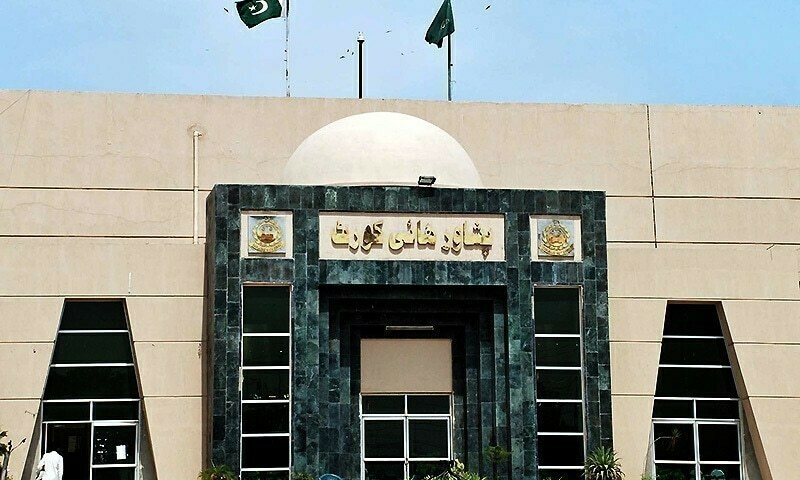
Challenging License Cancellation before Mines and Minerals Appellate Tribunal Khyber Pakhtunkhwa at Peshawar.
Khyber Pakhtunkhwa’s mineral-rich landscape, encompassing valuable resources like chromite, marble, and gemstones, is regulated by the Khyber Pakhtunkhwa Mines and Minerals Act, 2017, which balances exploration incentives with environmental and operational safeguards. License cancellations, often due to non-compliance, environmental violations, or disputes over royalties, can devastate mining operations and investments. The Mines Appellate Tribunal, established under the Act, provides a specialized quasi-judicial forum for aggrieved holders to challenge such decisions, ensuring fair hearings aligned with provincial autonomy principles. As of September 2025, amid proposed amendments in the KP Mines and Minerals Bill 2025 that seek to strengthen the Tribunal’s role under a retired Peshawar High Court judge, timely challenges are crucial to restore titles and mitigate losses. This guide outlines the process, grounds, and strategies for contesting cancellations before the Tribunal, with a focus on Peshawar’s jurisdictional nuances.
Overview of Mining Licenses and Grounds for Cancellation
Under the KP Mines and Minerals Act, 2017, licenses—ranging from reconnaissance to mining leases—are granted by the Licensing Authority (Mineral Title Committee) to encourage sustainable extraction. Cancellations, governed by Section 28, occur on grounds like failure to commence operations within timelines, environmental non-compliance, payment defaults, or fraudulent applications. The Authority issues show-cause notices, allowing 30 days for response, before final orders, which must be reasoned and communicated in writing.
These decisions impact livelihoods in mineral-dependent regions like Mohmand and Chitral, where cancellations have sparked disputes, as seen in Peshawar High Court petitions against nephrite mining revocations. The Act’s emphasis on due process prevents arbitrary actions, but aggrieved parties must act swiftly to preserve rights.
Understanding the mining license cancellation grounds is the foundation for a viable challenge.
Establishment and Jurisdiction of the Mines and Minerals Appellate Tribunal Khyber Pakhtunkhwa at Peshawar
The Mines and Minerals Appellate Tribunal Khyber Pakhtunkhwa at Peshawar, constituted under Section 102 of the Act, comprises a Chairperson (a retired judge or expert) and technical members, headquartered at the Judiciary Complex, Khyber Road, Peshawar. Its jurisdiction is exclusive for appeals against Licensing Authority decisions, including cancellations, refusals, or modifications of titles. The Tribunal exercises powers akin to a civil court, summoning witnesses and compelling documents, while promoting settlements to expedite resolutions.
In Peshawar, as the provincial seat, the Tribunal handles cases from across KP, prioritizing mining’s economic role. Proposed 2025 amendments aim to enhance its independence, addressing illegal mining and license disputes through dedicated benches. Appeals must relate to the Act’s provisions, barring parallel High Court writs unless jurisdictional errors arise.
Familiarizing with the KP Mines Tribunal jurisdiction ensures proper forum selection.
Eligibility and Filing an Appeal
Any mineral title holder or affected party, including potential investors, is eligible to appeal under Section 102 if aggrieved by a cancellation order. Appeals must demonstrate errors like procedural lapses (e.g., inadequate notice), misinterpretation of facts, or violation of natural justice principles. No appeal lies against interim orders, but final cancellations are appealable regardless of value.
File within 30 days of the order’s communication (extendable for sufficient cause, like delayed notice), submitting a memorandum outlining grounds, relief sought (e.g., reinstatement), and an index of documents. Lodge at the Tribunal’s Peshawar registry, with a nominal fee (PKR 5,000-20,000 based on claim value), in triplicate, serving copies on the Authority.
For Peshawar-based operations, local evidence like environmental compliance reports bolsters appeals.
Engaging mining appellate lawyers in Peshawar streamlines eligibility assessments and filings.
Procedure and Hearings Before the Tribunal
Upon filing, the Tribunal Registrar scrutinizes for completeness within 7 days, admitting appeals and issuing notices to respondents (Licensing Authority and others) for responses within 15 days. Hearings commence within 60 days, allowing oral arguments, cross-examination, and site inspections if needed. The Tribunal may grant interim stays on cancellations to prevent operational halts, upon prima facie satisfaction.
Proceedings emphasize expedition, aiming for disposal within 90-120 days, with reasoned decisions published. Parties can seek adjournments sparingly, and virtual hearings accommodate remote appellants from districts like Swat.
Adhering to the Tribunal appeal procedure minimizes delays.
Experience Compassion
We provide compassionate legal support, ensuring clients feel heard, respected, and guided through every step.
Integrity Compassion
Our practice is built on honesty and empathy, delivering ethical and client-focused legal solutions.
Powers and Remedies Available from the Mines and Minerals Appellate Tribunal Khyber Pakhtunkhwa at Peshawar
The Tribunal holds extensive powers under Section 103, including confirming, modifying, or setting aside cancellations, directing license reinstatement with backdated effect, or imposing conditions like penalty waivers. It can award costs for frivolous actions and enforce decisions as civil decrees, with non-compliance punishable by fines up to PKR 500,000.
Remedies extend to compensation for wrongful cancellations, calculated on lost revenues, fostering accountability. In Peshawar precedents, Tribunals have reinstated titles where environmental lapses were minor or remedied post-notice.
Harnessing the Tribunal remedial powers can restore operations swiftly.
Documentation and Evidence Essentials
Appeals demand certified copies of the cancellation order, show-cause notice, response submissions, and supporting evidence like operational logs, payment receipts, or expert environmental audits. Affidavits from witnesses and technical reports on compliance are crucial. For Peshawar cases, include district-level verifications from deputy commissioners.
Digital submissions via the Directorate of Mines and Minerals portal are encouraged, with hard copies notarized. Incomplete filings lead to rejections, so checklists from the Tribunal are invaluable.
A mining appeal documentation guide ensures evidentiary robustness.
Timelines, Costs, and Enforcement
Appeals must be filed within 30 days, with hearings concluding in 3-6 months; extensions for complexity can reach 9 months. Fees are modest, but legal and expert costs range from PKR 100,000-500,000. Tribunal orders are enforceable immediately, with execution petitions to the Peshawar High Court if resisted.
Further appeals to the PHC under Article 199 lie within 90 days on legal errors, adding 6-12 months.
The appeal timelines and cost overview aids in budgeting.
Common Pitfalls and Strategies for Success
Frequent errors include time-barred filings or vague grounds lacking specificity, risking summary dismissals. Overlooking environmental compliance proofs weakens cases in KP’s eco-sensitive zones.
Strategies: Gather evidence pre-cancellation, cite Act precedents like those on royalty disputes, and negotiate settlements during hearings. Early Tribunal notifications prevent Authority overreach.
Implementing challenge avoidance strategies fortifies appeals.
Benefits of Expert Legal Assistance in Peshawar
Mining disputes under the KP Act involve technical regulations and procedural intricacies, where missteps can forfeit titles permanently. Nouman Muhib Kakakhel – Lawyer & Legal Consultant provides specialized advocacy in Peshawar, from drafting appeals to representing before the Tribunal, ensuring alignment with 2017 Act provisions and 2025 proposals.
Leveraging mining appellate lawyers in Peshawar elevates challenge efficacy.
Conclusion: Restoring Rights in KP’s Mining Sector
Challenging license cancellations before the Mines Appellate Tribunal in KP upholds the 2017 Act’s balance between regulation and investment, empowering holders to contest injustices. By methodically pursuing appeals—from filing to enforcement—stakeholders can safeguard operations amid evolving laws.
Monitor updates from the Directorate of Mines and Minerals, and collaborate with experts like Nouman Muhib Kakakhel – Lawyer & Legal Consultant for navigated success. Proactive challenges sustain KP’s mineral economy.
Challenging License Cancellation before Mines Tribunal KP.
Explore our wide range of legal expertise, from constitutional and corporate law to family, criminal, and civil matters. Our lawyers provide trusted guidance and effective representation.
Contact
- Chamber of, Nouman Muhib Kakakhel, Yousaf Riaz Block, Judicial Complex, opposite to Serena Hotel, PTCL Colony, Peshawar, 25000, Pakistan
- office@nmklegal.com
- +92334 4440844