

How to Apply for Pakistani Citizenship by Marriage in Islamabad & Peshawar — Step-by-Step?
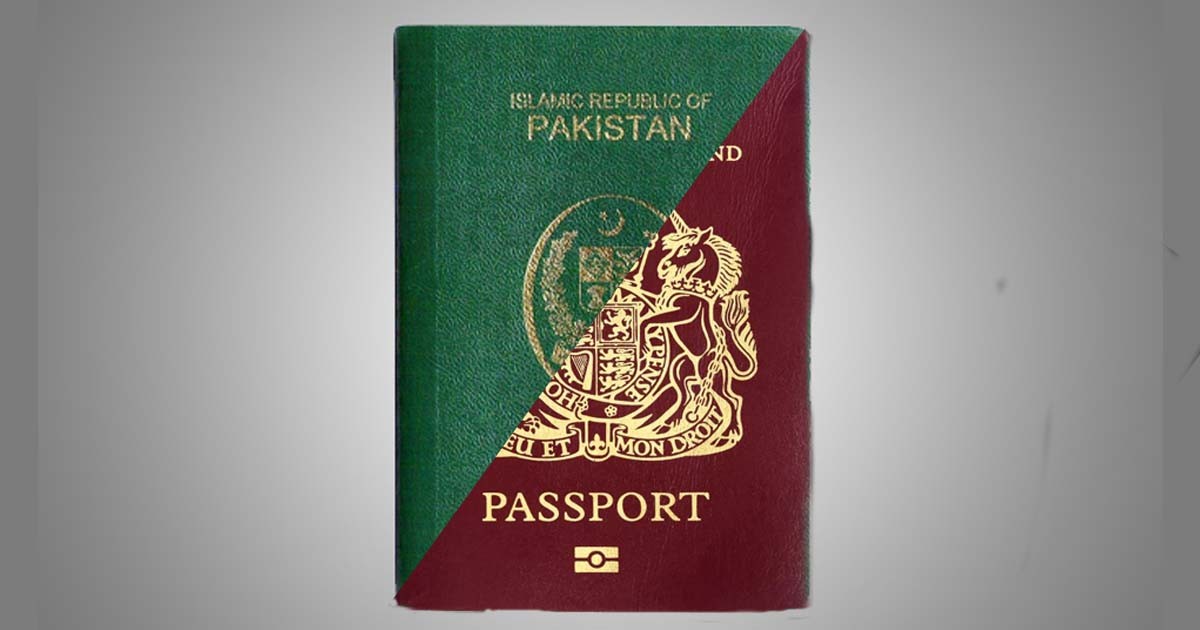
How to Apply for Pakistani Citizenship by Marriage in Islamabad & Peshawar — Step-by-Step Guide?
Citizenship by marriage allows foreign spouses of Pakistani citizens to apply for nationality under Section 10 of the Pakistan Citizenship Act 1951. Primarily aimed at foreign women married to Pakistani men, it also applies to men married to Pakistani women, though with additional scrutiny. Unlike citizenship by birth, this process requires a formal application to confirm eligibility and commitment to Pakistan.
Eligibility hinges on a valid marriage, continuous residency, and good character. Applicants must demonstrate integration into Pakistani society, typically through one year of residence and supporting documents. Complex cases, such as those involving prior marriages or foreign legal issues, need thorough verification to avoid delays.
For eligibility clarity, professional assistance is recommended. Engaging marriage-based citizenship attorneys in Islamabad ensures accurate assessment and application preparation.
Legal Framework for Citizenship by Marriage
The Pakistan Citizenship Act 1951, specifically Section 10, forms the legal basis, with procedural details in the Pakistan Citizenship Rules 1952. The Ministry of Interior, via DGI&P, oversees approvals, while NADRA issues identity documents post-approval. The Constitution of 1973 supports equal treatment, though practical differences exist for male versus female foreign spouses due to policy nuances.
The Naturalization Act 1926 may apply in cases requiring extended residency or special circumstances. High Court rulings from Islamabad and Peshawar clarify ambiguities, particularly in disputed cases. As of 2025, digital submission portals and biometric verification reduce processing times, but verifying foreign documents or dual nationality issues remain challenges.
Eligibility Criteria for Citizenship by Marriage
To qualify for citizenship through marriage, applicants must meet specific criteria. A valid marriage, legally recognized under Pakistani law via Nikahnama or attested for foreign marriages, is essential. Continuous residence in Pakistan for at least one year before applying is required, with longer periods strengthening the case. Applicants must have no criminal record or activities against national security, verified by police or FIA clearance. A declared intent to reside permanently in Pakistan, supported by affidavits or residence proof, is also necessary.
Male spouses may face additional requirements, like proof of financial stability, while cases involving refugee spouses need extra documentation. Clear records and compliance are critical to avoid rejections.
For complex eligibility issues, spousal nationality experts in Peshawar provide tailored guidance to strengthen applications.
Step-by-Step Application Process
The application process involves several stages. First, register the marriage with the local Union Council to obtain a Nikahnama or marriage certificate, with foreign marriages attested by the Pakistani embassy. Reside in Pakistan for at least one year, maintaining proof like rental agreements or utility bills. Submit Form S (Citizenship by Marriage) to DGI&P in Islamabad or via a first-class magistrate in Peshawar, including all documents and an oath of allegiance. The Ministry of Interior conducts background checks, including police clearance and interviews to verify the marriage’s authenticity. Upon approval, DGI&P issues a citizenship certificate, followed by NADRA issuing a CNIC or NICOP.
Applications can be tracked digitally via the Interior Ministry’s portal. Verification hearings may occur for disputed cases, such as suspected fraudulent marriages.
For efficient submissions, marriage citizenship lawyers streamline form preparation and verification.
Experience Compassion
We provide compassionate legal support, ensuring clients feel heard, respected, and guided through every step.
Integrity Compassion
Our practice is built on honesty and empathy, delivering ethical and client-focused legal solutions.
Introduction
Acquiring Pakistani citizenship by marriage offers foreign spouses of Pakistani nationals a pathway to nationality, granting rights like residency, employment, and voting. In Islamabad and Peshawar, where federal and provincial systems intersect, navigating the application process ensures compliance and legal recognition. This blog provides a detailed step-by-step guide for applying for Pakistani citizenship by marriage, tailored to the procedural nuances of these cities. Whether you are a foreign spouse or assisting a family member, understanding this process is crucial for a smooth application.
The Pakistan Citizenship Act 1951 governs this process, with streamlined procedures through the Directorate General of Immigration & Passports (DGI&P) and NADRA. As of September 18 2025, digital platforms enhance accessibility, though challenges like document verification persist. This guide outlines the legal framework, steps, and regional considerations for applicants in Islamabad and Peshawar.
Understanding Citizenship by Marriage in Pakistan
Citizenship by marriage allows foreign spouses of Pakistani citizens to apply for nationality under Section 10 of the Pakistan Citizenship Act 1951. Primarily aimed at foreign women married to Pakistani men, it also applies to men married to Pakistani women, though with additional scrutiny. Unlike citizenship by birth, this process requires a formal application to confirm eligibility and commitment to Pakistan.
Eligibility hinges on a valid marriage, continuous residency, and good character. Applicants must demonstrate integration into Pakistani society, typically through one year of residence and supporting documents. Complex cases, such as those involving prior marriages or foreign legal issues, need thorough verification to avoid delays.
For eligibility clarity, professional assistance is recommended. Engaging marriage-based citizenship attorneys in Islamabad ensures accurate assessment and application preparation.
Legal Framework for Citizenship by Marriage
The Pakistan Citizenship Act 1951, specifically Section 10, forms the legal basis, with procedural details in the Pakistan Citizenship Rules 1952. The Ministry of Interior, via DGI&P, oversees approvals, while NADRA issues identity documents post-approval. The Constitution of 1973 supports equal treatment, though practical differences exist for male versus female foreign spouses due to policy nuances.
The Naturalization Act 1926 may apply in cases requiring extended residency or special circumstances. High Court rulings from Islamabad and Peshawar clarify ambiguities, particularly in disputed cases. As of 2025, digital submission portals and biometric verification reduce processing times, but verifying foreign documents or dual nationality issues remain challenges.
Eligibility Criteria for Citizenship by Marriage
To qualify for citizenship through marriage, applicants must meet specific criteria. A valid marriage, legally recognized under Pakistani law via Nikahnama or attested for foreign marriages, is essential. Continuous residence in Pakistan for at least one year before applying is required, with longer periods strengthening the case. Applicants must have no criminal record or activities against national security, verified by police or FIA clearance. A declared intent to reside permanently in Pakistan, supported by affidavits or residence proof, is also necessary.
Male spouses may face additional requirements, like proof of financial stability, while cases involving refugee spouses need extra documentation. Clear records and compliance are critical to avoid rejections.
For complex eligibility issues, spousal nationality experts in Peshawar provide tailored guidance to strengthen applications.
Step-by-Step Application Process
The application process involves several stages. First, register the marriage with the local Union Council to obtain a Nikahnama or marriage certificate, with foreign marriages attested by the Pakistani embassy. Reside in Pakistan for at least one year, maintaining proof like rental agreements or utility bills. Submit Form S (Citizenship by Marriage) to DGI&P in Islamabad or via a first-class magistrate in Peshawar, including all documents and an oath of allegiance. The Ministry of Interior conducts background checks, including police clearance and interviews to verify the marriage’s authenticity. Upon approval, DGI&P issues a citizenship certificate, followed by NADRA issuing a CNIC or NICOP.
Applications can be tracked digitally via the Interior Ministry’s portal. Verification hearings may occur for disputed cases, such as suspected fraudulent marriages.
For efficient submissions, marriage citizenship lawyers streamline form preparation and verification.
Required Documents for Application
Applicants must provide a Nikahnama or marriage certificate, attested by the Union Council or Pakistani embassy for foreign marriages. A valid foreign passport and Pakistan visa proving residency are required, along with the Pakistani spouse’s CNIC or NICOP. Residence proof, such as utility bills, rental agreements, or a domicile certificate showing one-year residency, is essential. A police clearance certificate from local police or FIA confirms good character. An affidavit and oath of allegiance declaring intent to reside in Pakistan and loyalty to the state are needed, along with recent passport-sized photos and the application fee receipt (Rs. 200–500).
All documents must be attested, with digital copies accepted for initial submissions via the 2025 portal. Missing documents may require court orders or affidavits.
For document assistance, citizenship documentation attorneys in Peshawar ensure proper attestation and compliance.
Application Process in Islamabad
In Islamabad, applications are processed through DGI&P’s headquarters in Sector G-8/1 or NADRA mega centers like Sector G-10. Begin by registering the marriage at the Union Council or Capital Development Authority. Submit Form S to DGI&P, including all documents and the oath of allegiance. Verification involves federal agencies like the FIA, with interviews at the Deputy Commissioner’s office if needed. The 2025 digital portal allows pre-submission and tracking, with biometric verification mandatory. Islamabad’s federal setup ensures database access, though high volumes may cause delays.
For expert support, citizenship application specialists in Islamabad provide on-site assistance and expedite approvals.
Application Process in Peshawar
In Peshawar, applications are handled through provincial channels, with scrutiny due to Khyber Pakhtunkhwa’s border proximity and refugee population. Register the marriage at the local Union Council or Tehsil Municipal Administration. Submit Form S to a first-class magistrate at the Deputy Commissioner’s office, who forwards it to the provincial Home Department. Verification may involve hearings at the Assistant Commissioner’s level, especially for marriages with foreign nationals from neighboring countries. 2025 reforms include Pashto-language support and mobile NADRA units for rural access.
For regional expertise, KPK citizenship by marriage lawyers ensure compliance with provincial procedures.
Fees and Processing Time
Fees are minimal, with Rs. 50–200 for marriage registration, Rs. 200–500 for Form S submission, and Rs. 50 for CNIC or NICOP issuance. Expedited services cost Rs. 1,000–2,500. Processing times range from 1–3 months for marriage registration and verification, and 3–6 months for citizenship approval, depending on background checks. Delays may occur in complex cases, but 2025 digital integrations reduce processing times by 25%. Track status via DGI&P’s portal or NADRA’s helpline (7000).
Legal Challenges and Remedies
Challenges include rejections due to incomplete documents, suspected fraudulent marriages, or security concerns. Applicants can file constitutional petitions under Article 199 in the Islamabad or Peshawar High Courts to challenge denials, seeking mandamus orders for issuance. Strong evidence, like attested documents or witness affidavits, is critical for court remedies. Legal representation ensures effective petition drafting and hearings.
For court support, citizenship litigation experts in Islamabad navigate High Court proceedings efficiently.
Seeking Professional Legal Assistance
Navigating citizenship by marriage requires expertise in nationality law, document attestation, and administrative procedures. Professionals like Nouman Muhib Kakakhel – Lawyer & Legal Consultant offer comprehensive support, from application filing to court disputes, ensuring smooth outcomes.
In Islamabad and Peshawar, local knowledge is vital. Specialists like marriage nationality attorneys in Peshawar tailor strategies to regional challenges, ensuring efficient resolutions.
Conclusion
Applying for Pakistani citizenship by marriage in Islamabad and Peshawar involves a clear process of marriage registration, residency verification, and application submission through DGI&P or NADRA. As of September 18 2025, digital tools simplify the process, but professional assistance addresses complexities like verification delays or disputed marriages. By following these steps and engaging experts like Nouman Muhib Kakakhel – Lawyer & Legal Consultant, foreign spouses can secure citizenship and enjoy full legal rights in Pakistan. Act promptly to streamline your application.
How to Apply for Pakistani Citizenship by Marriage in Islamabad & Peshawar — Step-by-Step?
Explore our wide range of legal expertise, from constitutional and corporate law to family, criminal, and civil matters. Our lawyers provide trusted guidance and effective representation.
Contact
- Chamber of, Nouman Muhib Kakakhel, Yousaf Riaz Block, Judicial Complex, opposite to Serena Hotel, PTCL Colony, Peshawar, 25000, Pakistan
- office@nmklegal.com
- +92334 4440844