

Cybercrime Law Services
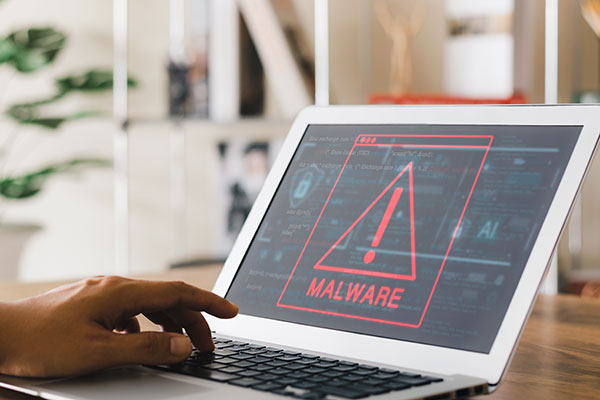
Cybercrime Lawyers in Islamabad and Peshawar – Your Legal Defender in the Digital Era
Nouman Muhib Kakakhel – Lawyer & Legal Consultant provides dedicated services as cybercrime lawyers in Islamabad and Peshawar, offering expert legal guidance and representation to individuals and businesses facing cybercrime disputes. In the rapidly evolving digital age, cyber threats have become more prevalent, making the expertise of Cybercrime Lawyers in Islamabad and Cybercrime Lawyers in Peshawar critical in protecting rights and navigating complex cyber laws.
Understanding Cybercrime Law and Relevant Legislation in Islamabad and Peshawar
Cybercrime in Pakistan is governed primarily by the Prevention of Electronic Crimes Act, 2016 (PECA), which addresses offenses ranging from hacking and cyberterrorism to data breaches and online harassment. Alongside PECA, various other laws play vital roles including the Companies Act, Partnership Act, and Arbitration laws, which affect how cybercrime matters involving business entities and contractual disputes are handled in Islamabad Capital Territory (ICT) and Khyber Pakhtunkhwa (KP).
In Islamabad and Peshawar, cybercrime lawyers deal with matters like digital fraud, cyberstalking, intellectual property theft, electronic forgery, and data privacy violations under these legal frameworks. Nouman Muhib Kakakhel’s comprehensive knowledge of these laws ensures clients receive tailored legal solutions respecting both local and federal legislation.
Cybercrime Courts in Islamabad and Peshawar – Jurisdiction and Function
To efficiently tackle cybercrime cases, Cybercrime Courts in Islamabad have been designated under PECA, where Additional District & Sessions Judges and Civil Judges-cum-Magistrates try offenses related to digital crimes within the territory. These courts handle cases ranging from digital terrorism to anti-state propaganda propagated through digital platforms.
Similarly, in Peshawar, cybercrime is addressed by specialized benches and civil courts designated under cybercrime laws within the KP judicial system. These include the district and sessions courts equipped to handle cyber offense litigation and arbitration matters involving electronic transactions and digital contracts.
These courts work in tandem with cybercrime benches and tribunals to offer a robust judicial process for victims and accused parties, ensuring fair and expert adjudication of cyber-related disputes.
Experience Compassion
We provide compassionate legal support, ensuring clients feel heard, respected, and guided through every step.
Integrity Compassion
Our practice is built on honesty and empathy, delivering ethical and client-focused legal solutions.
Why Choose Nouman Muhib Kakakhel – Cybercrime Lawyers in Islamabad and Peshawar?
Choosing Nouman Muhib Kakakhel as your trusted Cybercrime Lawyer in Islamabad and Cybercrime Lawyer in Peshawar means gaining access to professional, client-oriented legal consultancy and vigorous representation. The services offered cover everything from legal consultation, risk assessment, cyber incident response, digital forensics to courtroom litigation before the Cybercrime Courts in Islamabad and Peshawar.
Nouman Muhib Kakakhel stays updated with the latest amendments and high court decisions regarding cyber laws, ensuring that clients benefit from current and effective legal strategies tailored to their unique circumstances.
With a reputation for expertise, integrity, and a deep understanding of the legal landscape in both ICT and KP, Nouman Muhib Kakakhel is the premier choice for those seeking dependable and professional help in cybercrime matters.
Our firm’s criminal lawyers have successfully represented clients in some of the most challenging cases, including:
Cybercrime Law Services
Explore our wide range of legal expertise, from constitutional and corporate law to family, criminal, and civil matters. Our lawyers provide trusted guidance and effective representation.
Contact
- Chamber of, Nouman Muhib Kakakhel, Yousaf Riaz Block, Judicial Complex, opposite to Serena Hotel, PTCL Colony, Peshawar, 25000, Pakistan
- office@nmklegal.com
- +92334 4440844
Social Media
Answers & Insights
We’ve got answers
Cybercrime in Pakistan is primarily regulated by the Prevention of Electronic Crimes Act (PECA) 2016. This comprehensive legislation covers a wide spectrum of digital offenses, ranging from unauthorized access to information systems (hacking) to more serious crimes like cyber terrorism and electronic forgery. Additionally, the law penalizes the unauthorized interception of data and the transmission of "spoofed" messages intended to deceive recipients. Because digital evidence is volatile, these cases require a specialized understanding of how data is stored and transmitted. Navigating the complexities of PECA requires specialized Cybercrime Lawyers in Islamabad and Peshawar who can distinguish between accidental technical errors and deliberate criminal intent during a trial.
The FIA Cybercrime Wing is the designated agency for investigating complaints involving online harassment, stalking, and the unauthorized distribution of private photos or videos (non-consensual deepfakes or intimate imagery). Upon receiving a complaint through their online portal or helpdesk, investigators utilize digital forensics to track IP addresses and recover deleted messages from social media platforms like WhatsApp or Facebook. If the evidence suggests a crime has been committed, the agency can conduct raids to seize electronic devices. For the accused, it is vital to ensure that the "chain of custody" for these devices is maintained, as any tampering can lead to a miscarriage of justice in the specialized courts.
Identity theft, which involves the unauthorized use of another person's identity information (such as CNIC details or credit card info), carries significant penalties including imprisonment for up to three years and heavy fines. Electronic fraud, defined as causing wrongful gain by interfering with data or information systems, can lead to even harsher sentences depending on the scale of the financial loss. These cases are often tried in the Special Courts (Cybercrime). Defense strategies often involve challenging the prosecution’s ability to link a specific individual to a specific device or network, especially in cases where Wi-Fi networks were unsecured or devices were shared among multiple users.
While many offenses under PECA are cognizable and non-bailable, the courts have the power to grant Post-Arrest Bail depending on the nature of the crime and the available evidence. For instance, if the case involves a "further inquiry" into the ownership of a social media account or the authenticity of a digital screenshot, the judge may allow the accused to be released pending trial. We prioritize filing a Writ Petition or a bail application by arguing that the accused is not a flight risk and that the digital evidence is already in the secure possession of the investigators, making further detention unnecessary for the completion of the inquiry.
Section 11 and Section 20 of the Act deal with the dissemination of information that incites hatred or targets the "glory of Islam" or the integrity of Pakistan. These are highly sensitive cases where the boundary between freedom of speech and criminal liability is often debated. The law penalizes the use of information systems to glorify an offense or person convicted of a crime. Defending these allegations requires a nuanced legal approach to prove that the shared content lacked criminal intent (mens rea) or was taken out of context. Our role is to protect clients from overreaching interpretations of the law while ensuring compliance with national security regulations.
Under Section 20 of PECA, the transmission of false information that harms the reputation of a natural person is a criminal act. This is distinct from civil defamation. If you are a victim, you can move the court for the removal of content and the blocking of the offender's profile through the Pakistan Telecommunication Authority (PTA). Conversely, if you are falsely accused of online defamation, the defense focuses on proving the "truth" of the statement or demonstrating that the information was shared in the public interest without malicious intent. We assist in filing the necessary petitions to clear your digital reputation and hold the actual perpetrators accountable.
Yes, under the Electronic Transactions Ordinance (ETO) and PECA, digital records are admissible, provided they meet the criteria of authenticity. A simple screenshot is often not enough; the court typically requires a forensic report from the FIA or an expert witness to verify that the digital data has not been altered or fabricated. This is known as the "integrity of electronic documents." We challenge weak prosecution evidence by identifying "metadata" discrepancies or showing that the digital trail could have been easily manipulated, ensuring that our clients are not convicted on the basis of doctored or unverified digital evidence.
Corporate espionage involves the theft of trade secrets or client databases via digital means. Under Pakistani law, unauthorized access to critical infrastructure or private company data is a major offense. Businesses can take legal action by filing a complaint for a "Data Breach" and seeking an injunction order to prevent the further use of stolen information. We provide legal audits to ensure your company's digital policies are compliant with the law, enabling you to take swift criminal action if an employee or competitor unlawfully accesses your proprietary digital assets or information systems.
If your devices are seized during a search, you are entitled to a "seizure memo" detailing exactly what was taken. The law requires that the privacy of data not involved in the crime be respected. A lawyer can move the court for the return of property (Superdari) once the necessary forensic copies have been made by the investigators. It is crucial to ensure that your passwords and private credentials are not misused. We monitor the investigation to ensure that the agency adheres to the Search and Seizure protocols defined in the CrPC and PECA, protecting you from unauthorized data mining.
A Cyber Forensic Expert serves as a technical witness who can explain complex data logs and encryption to the judge. In many trials, the outcome hinges on whether the "Hash Value" of the evidence matches the original data. If there is a discrepancy, it suggests the evidence was tampered with. We collaborate with independent experts to provide a rebuttal report against the FIA’s findings. This ensures that the court understands the technical limitations of digital tracking and provides a fair opportunity for the defense to disprove the prosecution’s digital narrative through scientific and technical analysis.