Regulatory Compliance Checklist for Pharmaceutical Companies in Pakistan
Regulatory Compliance Checklist for Pharmaceutical Companies in Pakistan
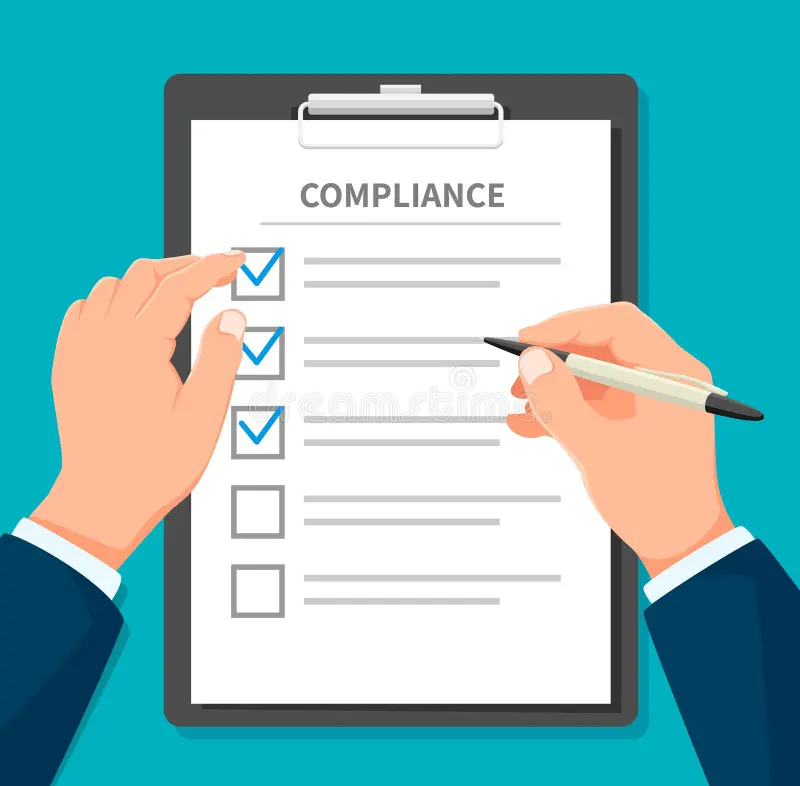
Pharmaceutical companies operating in Pakistan must navigate a complex regulatory landscape to ensure compliance with standards governing the manufacturing, registration, import, export, and distribution of therapeutic goods, including drugs and medical devices. The Drug Regulatory Authority of Pakistan (DRAP), established under the Drug Regulatory Authority of Pakistan Act, 2012, oversees these activities, enforcing the Drugs Act, 1976, the Drugs (Licensing, Registering and Advertising) Rules, 1976, and the Medical Devices Rules, 2017, among others. Non-compliance risks penalties, license cancellations, or product seizures, impacting market access and public health credibility. This checklist provides a comprehensive guide to key compliance requirements, ensuring companies align with DRAP’s standards and related laws. For tailored legal support in achieving compliance, Nouman Muhib Kakakhel – Lawyer & Legal Consultant offers expert guidance to streamline regulatory processes.
Licensing Requirements
Obtaining and maintaining appropriate licenses is foundational for pharmaceutical operations. Companies must secure a manufacturing license from the Central Licensing Board under Rule 5 of the Drugs (Licensing, Registering and Advertising) Rules, 1976, by submitting Form-1, site plans, and Good Manufacturing Practices (GMP) compliance certificates, verified through DRAP inspections. Import and export licenses, issued under Rule 23, require Form-6 applications, supported by foreign GMP certificates or WHO prequalification. Distribution and pharmacy licenses mandate registration with provincial health authorities, ensuring compliance with storage and cold chain standards. Licenses must be renewed every five years, with updates filed via DRAP’s e-portal (e.dra.gov.pk) within 30 days of changes in ownership or premises. Regular internal audits and GMP training for staff prevent lapses that could lead to suspension.
Drug Registration and Product Approval
All drugs, including allopathic, herbal, and nutraceutical products, require registration with DRAP’s Registration Board under Section 7 of the DRAP Act, 2012. Submit a Common Technical Document (CTD) on Form 5-F, including bioequivalence studies, stability data, and pharmacopoeial compliance, within six months of development. Variations, such as formulation changes, must be pre-approved via Form 5-G, with fees ranging from PKR 50,000 to 150,000. Medical devices require enlistment under the Medical Devices Rules, 2017, with risk-based classification (Class A-D) and ISO 13485 certification. Track application status on the Pakistan Single Window (PSW) portal and address DRAP queries within 60 days to avoid rejection. Maintain updated dossiers and ensure batch-to-batch consistency to prevent post-registration cancellations.
Good Manufacturing Practices (GMP) Compliance
Adherence to GMP, as mandated by Schedule B of the Drugs Rules, 1976, is non-negotiable. Facilities must maintain cleanroom standards, validated equipment, and quality control labs, with annual DRAP inspections. Implement Standard Operating Procedures (SOPs) for production, testing, and storage, ensuring traceability through batch records. Conduct regular self-inspections and maintain a Quality Management System (QMS) aligned with WHO GMP guidelines. Train personnel on contamination control and document all processes in a Site Master File, submitted during licensing renewals. Non-compliance, such as inadequate sterility, risks product recalls or facility closure.
Experience Compassion
We provide compassionate legal support, ensuring clients feel heard, respected, and guided through every step.
Integrity Compassion
Our practice is built on honesty and empathy, delivering ethical and client-focused legal solutions.
Advertising and Labeling Regulations
Advertising of drugs and medical devices must comply with Rule 31 of the Drugs Rules, 1976, requiring prior DRAP approval for promotional materials. Claims must align with registered indications, avoiding misleading efficacy statements, and include risk warnings. Labeling, per Schedule D, must display the generic name, dosage, batch number, expiry date, and DRAP registration number in English and Urdu. Prescription drugs require “Rx Only” markings. Submit labeling drafts via the e-portal and maintain a record of advertisements for audits. Unauthorized promotions can lead to fines up to PKR 500,000 or product bans.
Pharmacovigilance and Post-Market Surveillance
Pharmacovigilance is mandatory under the Pharmacovigilance Rules, 2022, requiring companies to monitor adverse drug reactions (ADRs) and report to DRAP’s National Pharmacovigilance Centre within 15 days for serious cases. Appoint a Qualified Person for Pharmacovigilance (QPPV) to oversee risk management plans and periodic safety update reports, submitted quarterly via the e-portal. Conduct post-market stability studies and maintain complaint logs for batch recalls. Failure to report ADRs can result in penalties or suspension of registration, as seen in 2024 cases involving non-compliant generics.
Import and Export Compliance
Imports require pre-approval under Rule 23, with applications on Form-6, supported by Certificates of Pharmaceutical Product (CoPP) and GMP compliance from the exporting country. Exports must meet destination country standards, with DRAP issuing export certificates within 30 days. Use the PSW portal for customs clearance, ensuring alignment with HS codes and WHO prequalification for international tenders. Maintain cold chain integrity during transit and verify supplier credentials to avoid adulterated imports, which triggered 10% of DRAP seizures in 2025.
Pricing and Cost Control Regulations
Drug pricing is regulated under the Drug Pricing Policy, 2018, with the Pricing Committee setting maximum retail prices (MRPs) based on cost audits. Submit pricing applications with manufacturing cost breakdowns and comparator market data. Annual price adjustments require DRAP approval, with notifications via the e-portal. Overpricing invites fines up to PKR 1 million or license suspension. Monitor DRAP’s price lists on dra.gov.pk to ensure compliance during product launches.
Compliance with Anti-Counterfeiting Measures
Counterfeit drugs pose a significant risk, with DRAP mandating serialization and 2D barcoding under the Drugs (Specifications) Rules, 2021. Implement track-and-trace systems for supply chain transparency, registering serial numbers with DRAP’s database. Conduct regular market surveillance to detect fakes and report to DRAP within 48 hours. Non-compliance led to 15% of 2024 enforcement actions, including product bans. Maintain anti-counterfeiting SOPs and train distributors to align with DRAP’s guidelines.
Record-Keeping and Audits
Maintain comprehensive records for five years, including manufacturing logs, quality control reports, and distribution chains, as per Rule 25. Digital records must be uploaded to DRAP’s e-portal for real-time audits. Prepare for unannounced inspections by DRAP’s Field Force, ensuring access to batch records and SOPs. Internal audits every six months, aligned with ISO 9001 standards, help identify gaps. Non-compliance with record-keeping invites penalties up to PKR 200,000.
Training and Workforce Compliance
Ensure all personnel, from production staff to QPPVs, undergo annual training on GMP, pharmacovigilance, and regulatory updates. Maintain training logs and certifications, verified during DRAP inspections. Appoint qualified pharmacists for quality control and regulatory submissions, as mandated by Rule 16. Labour law compliance, including workplace safety under the Factories Act, 1934, prevents secondary violations. Regular training mitigates risks of procedural errors, a common cause of licensing disputes.
Common Pitfalls and Mitigation Strategies
Non-compliance often stems from incomplete CTD submissions, leading to 25% of registration rejections in 2025; pre-audit dossiers against DRAP checklists. Delayed ADR reporting risks product suspensions—implement automated pharmacovigilance systems. Inadequate GMP documentation during inspections triggers license reviews; conduct mock audits quarterly. Failure to update pricing or labeling post-approval invites fines—monitor DRAP notifications via the e-portal. Engaging Nouman Muhib Kakakhel – Lawyer & Legal Consultant for compliance audits and appeal preparation mitigates these risks.
Conclusion
Compliance with DRAP’s regulatory framework is critical for pharmaceutical companies to maintain market access and public trust in Pakistan. From licensing to pharmacovigilance, each requirement demands meticulous adherence to statutory rules and SOPs. The evolving digital infrastructure, including the PSW and e-portal, streamlines processes but raises the bar for documentation accuracy. By proactively addressing these areas, companies can avoid penalties and ensure operational continuity. Nouman Muhib Kakakhel – Lawyer & Legal Consultant provides expert legal support to navigate this complex landscape, ensuring seamless compliance and robust defense in disputes.
Regulatory Compliance Checklist for Pharmaceutical Companies in Pakistan
Explore our wide range of legal expertise, from constitutional and corporate law to family, criminal, and civil matters. Our lawyers provide trusted guidance and effective representation.
Contact
- Chamber of, Nouman Muhib Kakakhel, Yousaf Riaz Block, Judicial Complex, opposite to Serena Hotel, PTCL Colony, Peshawar, 25000, Pakistan
- office@nmklegal.com
- +92334 4440844