

Role of High Court in Reviewing Mines Tribunal Orders
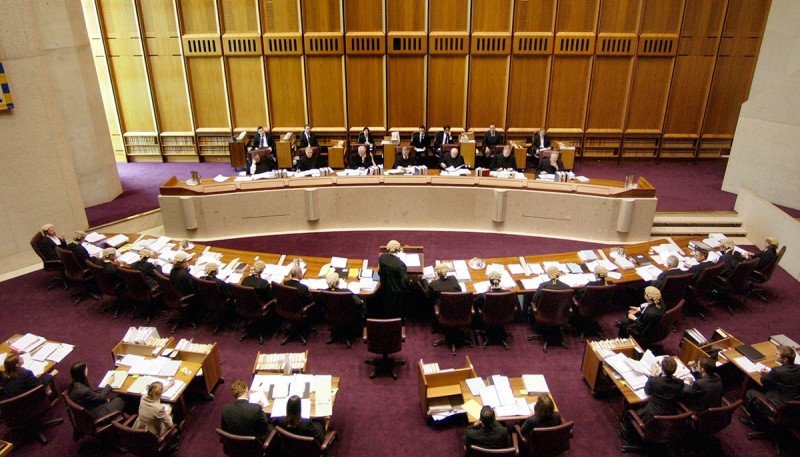
Role of High Court in Reviewing Mines Tribunal Orders
The Khyber Pakhtunkhwa Mines and Minerals Act, 2017, governs the mineral-rich province’s mining sector, regulating licenses for resources like marble, chromite, and gemstones to balance economic growth with environmental stewardship. The Mines Appellate Tribunal, established under Section 102 of the Act, serves as the primary forum for resolving disputes over license cancellations, royalty disputes, or compliance violations. However, when Tribunal decisions are perceived as erroneous or unjust, the Peshawar High Court (PHC) plays a critical supervisory role through its constitutional jurisdiction under Article 199 of the Constitution, 1973. As of September 2025, with proposed amendments in the KP Mines and Minerals Bill 2025 enhancing Tribunal autonomy, the PHC remains a vital avenue for judicial review, particularly for stakeholders in Peshawar’s trade-intensive region. This guide details the PHC’s role, review procedures, and strategic approaches, emphasizing the expertise of mining appellate lawyers in securing equitable outcomes.
Scope of High Court’s Jurisdiction in Mining Disputes
The PHC exercises supervisory jurisdiction over Mines Appellate Tribunal orders, ensuring decisions align with the 2017 Act, principles of natural justice, and constitutional protections. Under Article 199, the court can issue writs of certiorari (to quash unlawful orders), mandamus (to compel lawful action), or prohibition (to restrain jurisdictional overreach). Its authority extends to reviewing legal errors, procedural irregularities, or violations of fundamental rights, such as Article 23 (property rights) or Article 10A (fair trial).
The PHC does not re-examine factual findings unless perverse or unsupported by evidence, focusing instead on questions of law or jurisdiction. In Peshawar, where mining disputes often involve border-area leases or environmental compliance, the court’s role is pivotal in preventing arbitrary cancellations that disrupt local economies.
Understanding the PHC judicial review scope is essential for framing effective petitions.
Grounds for Challenging Tribunal Orders
Valid grounds for PHC review include jurisdictional errors, such as the Tribunal exceeding its mandate under Section 102, or procedural lapses, like inadequate hearings or failure to consider material evidence. Substantive errors, such as misinterpretation of the 2017 Act’s provisions on royalties or environmental standards, also qualify. Additionally, violations of constitutional rights, such as lack of due process, are actionable.
In Peshawar’s context, common challenges arise from Tribunal dismissals of appeals against license cancellations for minor infractions, as seen in cases involving Swat’s emerald mines. The PHC has overturned orders where authorities failed to issue reasoned decisions, reinforcing accountability.
Identifying the grounds for mining tribunal review ensures petitions target actionable errors.
Experience Compassion
We provide compassionate legal support, ensuring clients feel heard, respected, and guided through every step.
Integrity Compassion
Our practice is built on honesty and empathy, delivering ethical and client-focused legal solutions.
Filing a Writ Petition in Peshawar High Court
To challenge a Tribunal order, file a writ petition under Article 199 at the PHC’s Principal Seat in Peshawar or circuit benches in Abbottabad, Mingora, or D.I. Khan. Petitions must be lodged within 90 days of the Tribunal’s order, though delays may be condoned with sufficient cause, such as late receipt of the decision.
The petition, submitted in triplicate, should detail the Tribunal order, specific errors (e.g., misapplication of Section 28 on cancellations), and relief sought, such as quashing or remanding the case. Include a nominal fee (PKR 200-2,000) and annexures like the Tribunal order, appeal memorandum, and supporting evidence. The PHC’s e-filing portal (phccms.peshawarhighcourt.gov.pk) facilitates digital submissions, with hearings scheduled within 7-14 days.
For urgent cases, interim stays can halt license suspensions, preserving operations.
Following the PHC writ petition process ensures procedural compliance.
Powers of the High Court in Judicial Review
The PHC wields extensive powers to review Tribunal orders, including quashing decisions, directing fresh hearings, or issuing declarations of illegality. Under Article 199, it can restrain the Licensing Authority from enforcing unlawful cancellations or mandate compliance with Tribunal directives. Contempt proceedings under the Contempt of Court Ordinance, 2003, address non-compliance, with penalties including fines or imprisonment.
In Peshawar’s mining disputes, the PHC often considers regional economic impacts, reinstating licenses where environmental violations were remediable, as seen in recent Chitral cases. The court’s rulings balance regulatory enforcement with investment protection.
Leveraging the PHC review authority can secure corrective remedies.
Documentation and Evidence Requirements
Petitions require certified copies of the Tribunal order, original appeal documents, and evidence like license agreements, compliance reports, or royalty receipts. Affidavits attesting to facts, expert opinions on environmental standards, and district-level certifications strengthen cases in Peshawar’s context. Digital submissions must be PDFs under 10MB; hard copies need notarization.
Incomplete filings risk dismissal, so Tribunal and PHC checklists are critical.
A mining review documentation checklist ensures evidentiary robustness.
Timelines, Costs, and Enforcement Mechanisms
Writ petitions must be filed within 90 days, with hearings typically concluding in 3-6 months, extendable for complex cases. Filing fees are minimal, but legal costs range from PKR 50,000-300,000, plus expenses for travel or technical experts. Supreme Court appeals under Article 185 add 6-12 months if substantial legal questions arise.
PHC orders are enforceable as decrees, with execution petitions addressing non-compliance. Monitor progress via the PHC’s e-portal for timely follow-ups.
Planning with the judicial review timelines and costs aids strategic budgeting.
Common Challenges and Mitigation Strategies
Pitfalls include time-barred filings, vague grounds, or seeking factual re-assessments, which the PHC avoids. In Peshawar, overlooking regional mining data weakens petitions. Strategies include citing precedents like PHC rulings on procedural fairness, engaging early to refine arguments, and requesting expedited hearings for operational continuity.
Pre-filing consultations with experts prevent procedural errors.
Implementing mining dispute review strategies enhances petition success.
Benefits of Expert Legal Support in Peshawar
Challenging Tribunal orders involves navigating the 2017 Act’s technicalities and constitutional nuances, where missteps can jeopardize licenses. Nouman Muhib Kakakhel – Lawyer & Legal Consultant offers specialized representation in Peshawar, crafting compelling writs and advocating in PHC hearings, aligned with 2025 legislative updates.
Engaging mining appellate lawyers transforms challenges into strategic wins.
Conclusion: Securing Justice Through High Court Review
The Peshawar High Court’s role in reviewing Mines Appellate Tribunal orders ensures accountability in Khyber Pakhtunkhwa’s mining sector, safeguarding investments against regulatory overreach. By leveraging constitutional writs and expert guidance, stakeholders can secure fair outcomes, preserving their rights under the 2017 Act.
Stay informed via the Directorate of Mines and Minerals and collaborate with professionals like Nouman Muhib Kakakhel – Lawyer & Legal Consultant for effective strategies. Proactive judicial review fosters a balanced mining ecosystem in KP.
Role of High Court in Reviewing Mines Tribunal Orders
Explore our wide range of legal expertise, from constitutional and corporate law to family, criminal, and civil matters. Our lawyers provide trusted guidance and effective representation.
Contact
- Chamber of, Nouman Muhib Kakakhel, Yousaf Riaz Block, Judicial Complex, opposite to Serena Hotel, PTCL Colony, Peshawar, 25000, Pakistan
- office@nmklegal.com
- +92334 4440844