

Jurisdiction of the Mines and Minerals Appellate Tribunal in Khyber Pakhtunkhwa.
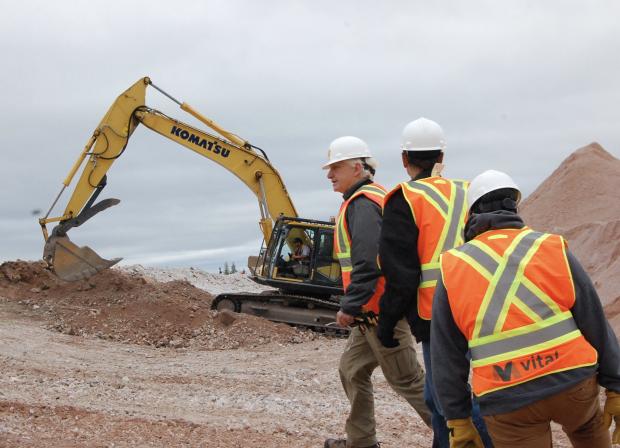
Jurisdiction of the Mines and Minerals Appellate Tribunal in Khyber Pakhtunkhwa.
The mining sector in Khyber Pakhtunkhwa is governed by a specialized regulatory framework that requires effective adjudication of disputes between private stakeholders and the state. To address conflicts arising from licensing, lease renewals, penalties, and compliance with statutory obligations, the law establishes the Mines & Minerals Appellate Tribunal. Understanding the jurisdiction of the Mines and Minerals Appellate Tribunal in Khyber Pakhtunkhwa is crucial for businesses, investors, and individuals operating within the province’s mineral-rich areas.
Establishment and Legal Framework of the Mines and Minerals Appellate Tribunal Khyber Pakhtunkhwa
The Mines and Minerals Appellate Tribunal Peshawar was created under the relevant provincial legislation to provide an appellate remedy against decisions made by the Directorate General or other authorities regulating mining activities. It operates as a quasi-judicial body with powers similar to a civil court, giving it authority to summon witnesses, review evidence, and issue binding decisions. The appellate jurisdiction in mining disputes of KP ensures that parties dissatisfied with administrative or departmental actions have a proper legal forum for redress.
Types of Cases Heard by the Mines and Minerals appellate Tribunal at Peshawar
The Tribunal entertains appeals from decisions related to licensing, exploration permits, renewals of leases, cancellations, and imposition of fines or penalties. It also hears disputes concerning royalty assessments, compliance with safety and environmental standards, and enforcement of contractual obligations in the mining sector. This wide range of matters highlights the role of the Mines and Minerals Appellate Tribunal in Khyber Pakhtunkhwa as the central forum for resolving complex issues arising between regulators and stakeholders.
Importance of Specialized Adjudication
Mining disputes often involve technical details such as geological surveys, compliance with environmental laws, and financial obligations linked to royalty and revenue payments. A general civil court may not have the expertise to deal with these issues effectively, which is why the establishment of the Tribunal was necessary. The specialized appellate body for mining cases in Khyber Pakhtunkhwa at Peshawar ensures that disputes are resolved by a forum equipped with the relevant knowledge and procedural tools to handle sector-specific challenges.
Experience Compassion
We provide compassionate legal support, ensuring clients feel heard, respected, and guided through every step.
Integrity Compassion
Our practice is built on honesty and empathy, delivering ethical and client-focused legal solutions.
Finality and Further Remedies
Decisions of the Mines & Minerals Appellate Tribunal are binding on the parties; however, further judicial review may still be available before the High Court in cases of legal error or violation of fundamental rights. This layered structure ensures that while the Tribunal serves as the primary appellate body, oversight by the higher judiciary remains intact. Parties involved in disputes must therefore understand the procedural and substantive aspects of the appeal process in the Mines & Minerals sector of Khyber Pakhtunkhwa to fully safeguard their interests.
The Mines & Minerals Appellate Tribunal plays a vital role in regulating and adjudicating disputes in one of Khyber Pakhtunkhwa’s most economically significant sectors. By providing a specialized appellate mechanism, it ensures that disputes are resolved efficiently, fairly, and with due regard to technical and legal complexities. Awareness of the jurisdiction of the Mines & Minerals Appellate Tribunal in KP is therefore essential for all stakeholders, from small-scale miners to large investors, who seek to operate within the province’s legal framework.
Jurisdiction of the Mines & Minerals Appellate Tribunal in Khyber Pakhtunkhwa.
Explore our wide range of legal expertise, from constitutional and corporate law to family, criminal, and civil matters. Our lawyers provide trusted guidance and effective representation.
Contact
- Chamber of, Nouman Muhib Kakakhel, Yousaf Riaz Block, Judicial Complex, opposite to Serena Hotel, PTCL Colony, Peshawar, 25000, Pakistan
- office@nmklegal.com
- +92334 4440844
Social Media
Reliable Answers
Find guidance you can trust
The Mines and Minerals Appellate Tribunal in Khyber Pakhtunkhwa (KP) serves as the specialized judicial forum for resolving disputes arising from the licensing, exploration, and exploitation of mineral resources. Established under the Khyber Pakhtunkhwa Mines and Minerals Act, 2017, this tribunal provides an essential layer of legal redress for leaseholders and investors.