

Enforcement of Customs Tribunal Judgments in Peshawar High Court.
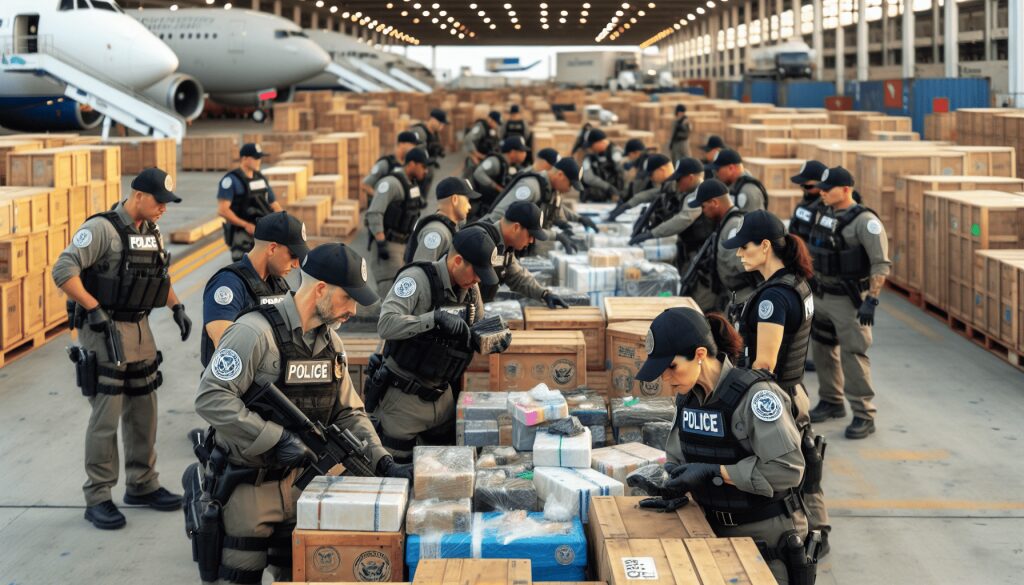
Enforcement of Customs Tribunal Judgments in Peshawar High Court
In Pakistan’s bustling trade environment, the Customs Appellate Tribunal, established under Section 194 of the Customs Act, 1969, resolves disputes over duty assessments, seizures, and valuation rulings, delivering binding judgments to ensure fair trade practices. However, non-compliance by customs authorities or other parties can necessitate further action to enforce these orders. The Peshawar High Court (PHC), exercising supervisory jurisdiction under Article 199 of the Constitution, 1973, serves as the key forum for enforcing tribunal judgments in Khyber Pakhtunkhwa. As of September 2025, with streamlined judicial processes and digital platforms enhancing access, effective enforcement is critical for traders in Peshawar, a hub for cross-border commerce.
This guide provides a step-by-step approach to enforcing Customs Appellate Tribunal judgments in the PHC, highlighting the pivotal role of customs appellate lawyers in navigating procedural and legal complexities.
Understanding Enforcement of Tribunal Judgments
Customs Appellate Tribunal judgments are enforceable as decrees of a civil court under Section 194C, obligating customs authorities to comply with orders like duty refunds, release of seized goods, or penalty waivers. Non-compliance—whether due to bureaucratic delays or willful defiance—prompts enforcement actions through the PHC, which can issue writs of mandamus to compel performance or address contempt.
In Peshawar, where trade disputes often involve Afghan Transit Trade or smuggling-related seizures, enforcement ensures businesses recover dues or assets promptly, maintaining economic stability.
Grasping the customs tribunal enforcement framework is essential for initiating effective action.
Grounds for Seeking Enforcement in PHC
Enforcement petitions are filed when customs authorities fail to implement tribunal orders within stipulated timelines (typically 30-60 days). Valid grounds include refusal to refund duties, non-release of goods, or inaction on penalty cancellations. The PHC examines whether the non-compliance violates statutory obligations or fundamental rights under Article 10A (right to fair trial).
Peshawar-based cases often arise from delays in clearing consignments at border points like Torkham, requiring swift judicial intervention to prevent financial losses.
Engaging customs appellate lawyers helps identify actionable grounds for enforcement.
Filing an Enforcement Petition in Peshawar High Court
To enforce a tribunal judgment, file a writ petition under Article 199 at the PHC’s Principal Seat in Peshawar or its circuit benches. The petition, submitted within 90 days of non-compliance (extendable for cause), must detail the tribunal order, evidence of non-adherence (e.g., unanswered requests), and relief sought, such as a mandamus directing compliance.
Submit three copies with a nominal fee (PKR 200-2,000) via the PHC’s registry or e-filing portal (phccms.peshawarhighcourt.gov.pk). Include the tribunal judgment, correspondence with customs authorities, and affidavits. The court issues notices to respondents, scheduling hearings within 7-14 days, often granting interim orders to expedite action.
Following the PHC enforcement petition process ensures procedural accuracy.
Powers of Peshawar High Court in Enforcement
The PHC wields constitutional authority to enforce tribunal judgments, issuing writs to compel customs authorities to act, release goods, or process refunds. It can initiate contempt proceedings under the Contempt of Court Ordinance, 2003, for willful disobedience, imposing fines or imprisonment. The court may also direct interim measures, like staying further recovery actions, to protect petitioners’ rights.
In Peshawar, PHC rulings often address regional trade dynamics, ensuring enforcement aligns with local economic realities.
Leveraging the PHC enforcement powers secures compliance effectively.
Experience Compassion
We provide compassionate legal support, ensuring clients feel heard, respected, and guided through every step.
Integrity Compassion
Our practice is built on honesty and empathy, delivering ethical and client-focused legal solutions.
Documentation and Evidence Requirements
Petitions require certified copies of the tribunal judgment, non-compliance evidence (e.g., letters to customs authorities), and proof of financial impact, such as loss statements. Affidavits attesting to facts and prior correspondence with the Federal Board of Revenue (FBR) strengthen claims. For Peshawar cases, include regional trade documents, like bills of entry from border customs stations.
Digital submissions via PHC’s portal require PDFs under 10MB; hard copies need attestation for verification.
A customs enforcement documentation checklist prevents procedural rejections.
Timelines, Costs, and Practical Considerations
Enforcement petitions should be filed promptly to avoid laches, with hearings typically scheduled within 15-30 days. Resolution averages 3-6 months, extendable if complex issues arise. Filing fees are minimal (PKR 200-2,000), but legal counsel costs range from PKR 50,000-250,000, plus expenses for travel or expert opinions.
Further appeals to the Supreme Court under Article 185 add 6-12 months. Track progress via PHC’s e-portal for timely follow-ups.
Planning with the enforcement timelines and cost overview aids budgeting.Lawyers in
Common Challenges and Mitigation Strategies
Pitfalls include delayed filings, inadequate evidence of non-compliance, or vague relief requests, leading to dismissals. In Peshawar, jurisdictional overlaps with federal customs authorities can complicate proceedings.
Strategies: Document all interactions with customs officials, cite precedents like PHC’s rulings on duty refund delays, and seek pre-filing consultations to refine petitions.
Implementing customs enforcement avoidance tactics enhances petition success.
Role of Expert Legal Support in Peshawar
Enforcement actions demand expertise in the Customs Act and constitutional law to craft compelling petitions and counter defenses. Nouman Muhib Kakakhel – Lawyer & Legal Consultant offers specialized representation in Peshawar, from drafting writs to advocating in PHC hearings, ensuring compliance with tribunal orders and swift resolution.
Collaborating with customs appellate lawyers transforms enforcement challenges into strategic wins.
Conclusion: Securing Justice Through Enforcement
Enforcing Customs Appellate Tribunal judgments in the Peshawar High Court ensures accountability in Pakistan’s customs regime, protecting traders’ rights in Khyber Pakhtunkhwa. By mastering procedural steps and leveraging professional expertise, stakeholders can secure compliance and minimize trade disruptions.
Stay updated via FBR and PHC portals, and partner with experts like Nouman Muhib Kakakhel – Lawyer & Legal Consultant for effective enforcement strategies. Proactive action reinforces fair trade practices in a dynamic market.
Enforcement of Customs Tribunal Judgments in Peshawar High Court
Explore our wide range of legal expertise, from constitutional and corporate law to family, criminal, and civil matters. Our lawyers provide trusted guidance and effective representation.
Contact
- Chamber of, Nouman Muhib Kakakhel, Yousaf Riaz Block, Judicial Complex, opposite to Serena Hotel, PTCL Colony, Peshawar, 25000, Pakistan
- office@nmklegal.com
- +92334 4440844
Social Media
Customer Questions Answered
Helpful support made simple
The enforcement and judicial review of Customs Appellate Tribunal judgments within the Peshawar High Court (PHC) are governed by the Customs Act 1969. While the Tribunal is the final authority on facts, the High Court exercises constitutional and advisory jurisdiction to ensure that legal principles are correctly applied.