

Evacuee Trust Property Tribunal: Jurisdiction, Procedure, and Rights of Claimants in Peshawar and Islamabad.
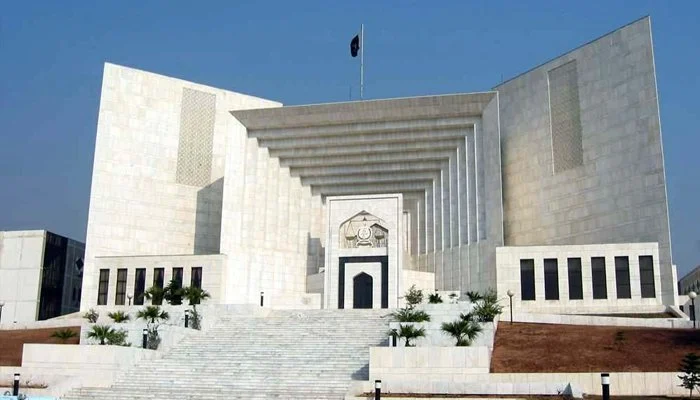
Evacuee Trust Property Tribunal: Jurisdiction, Procedure, and Rights of Claimants in Peshawar and Islamabad.
The Evacuee Trust Property Tribunal plays a central role in Pakistan’s judicial framework when it comes to disputes relating to properties that were left behind during the partition of 1947. These properties, commonly referred to as Evacuee Trust Properties, are administered by the Evacuee Trust Property Board (ETPB). They include a wide variety of assets such as residential homes, agricultural land, commercial plots, and even religious sites that hold deep historical and social significance.
In both Peshawar and Islamabad, a large number of families continue to deal with unsettled disputes involving evacuee properties. These disputes usually revolve around questions of ownership, tenancy, or succession, often stretching across generations. For such matters, the Tribunal serves as the exclusive forum, ensuring that claims are resolved within a specialized legal framework. Many claimants rely on the expertise of lawyers handling trust property cases who are familiar with the complexities of these proceedings.
Jurisdiction of the Evacuee Trust Property Tribunal
The jurisdiction of the Tribunal is exclusive, which means that civil courts do not have the authority to entertain disputes concerning evacuee properties. The Tribunal is empowered to decide ownership claims, determine tenancy rights, resolve inheritance and succession issues, and hear cases relating to charitable or waqf properties controlled by the Evacuee Trust Property Board. It also acts as the appellate forum for decisions made by the ETPB. By consolidating all such disputes under one judicial body, the law ensures consistency and expertise in an area that is both sensitive and highly specialized.
Procedure for Filing a Claim
Filing a claim before the Tribunal in Peshawar or Islamabad is a structured process but one that requires careful compliance. It begins with the preparation of a petition, where the claimant must clearly set out the facts of the case, the relief being sought, and the legal grounds for doing so. This petition is supported by documentary evidence such as ownership records, tenancy agreements, or succession certificates, without which the claim may not succeed.
Once the petition is filed, the Tribunal examines whether the matter falls within its jurisdiction. If it does, the case is registered for hearing, and notices are issued to the opposing parties, which may include the ETPB or private claimants. The hearings then proceed, where both sides are given an opportunity to present their arguments, documents, and witnesses. After considering all evidence, the Tribunal delivers a final decision that is binding on the parties. Although the procedure may appear straightforward, it often becomes complex in practice due to competing claims and technical evidentiary requirements. This is why engaging legal professionals in property tribunals can make a decisive difference.
Experience Compassion
We provide compassionate legal support, ensuring clients feel heard, respected, and guided through every step.
Integrity Compassion
Our practice is built on honesty and empathy, delivering ethical and client-focused legal solutions.
Rights of Claimants Before the Tribunal
Claimants approaching the Tribunal are granted several important rights to ensure fair adjudication. They have the right to file petitions concerning ownership, tenancy, or succession, the right to challenge or appeal orders issued by the Evacuee Trust Property Board, and the right to present both oral and documentary evidence. They are also entitled to legal representation, which guarantees that their claims are argued effectively and in compliance with the Tribunal’s procedural framework. The Tribunal is further obligated to provide timely decisions so that disputes, many of which have persisted for decades, can finally be resolved. However, exercising these rights successfully requires knowledge of procedural law, property regulations, and religious considerations.
Importance of Legal Representation
Disputes before the Evacuee Trust Property Tribunal are rarely straightforward. Many cases involve decades-old property records, overlapping claims by different families, and questions of succession under both statutory and religious law. Errors in filing, omissions in evidence, or misinterpretation of the applicable legal principles can weaken a case significantly. For this reason, many claimants seek assistance from property dispute specialists in Peshawar, who bring expertise in drafting petitions, gathering supporting documents, and presenting cases before the Tribunal. Their guidance often becomes the difference between success and rejection.
Final Thoughts
The Evacuee Trust Property Tribunal is a crucial institution for addressing disputes relating to properties of immense historical, social, and financial value. For claimants in Peshawar and Islamabad, understanding the Tribunal’s jurisdiction, procedure, and the rights available is the first step toward securing justice. Yet, the legal and procedural challenges involved in these cases are such that claimants rarely succeed without experienced support. By working with professionals who understand the intricacies of tribunal practice, families can protect their rights, resolve long-standing disputes, and finally achieve closure in matters that may have remained unsettled for generations.
Evacuee Trust Property Tribunal: Jurisdiction, Procedure, and Rights of Claimants in Peshawar and Islamabad.
Explore our wide range of legal expertise, from constitutional and corporate law to family, criminal, and civil matters. Our lawyers provide trusted guidance and effective representation.
Contact
- Chamber of, Nouman Muhib Kakakhel, Yousaf Riaz Block, Judicial Complex, opposite to Serena Hotel, PTCL Colony, Peshawar, 25000, Pakistan
- office@nmklegal.com
- +92334 4440844