

How to Enforce Air & Water Pollution Standards — Islamabad & Peshawar Legal Remedies?
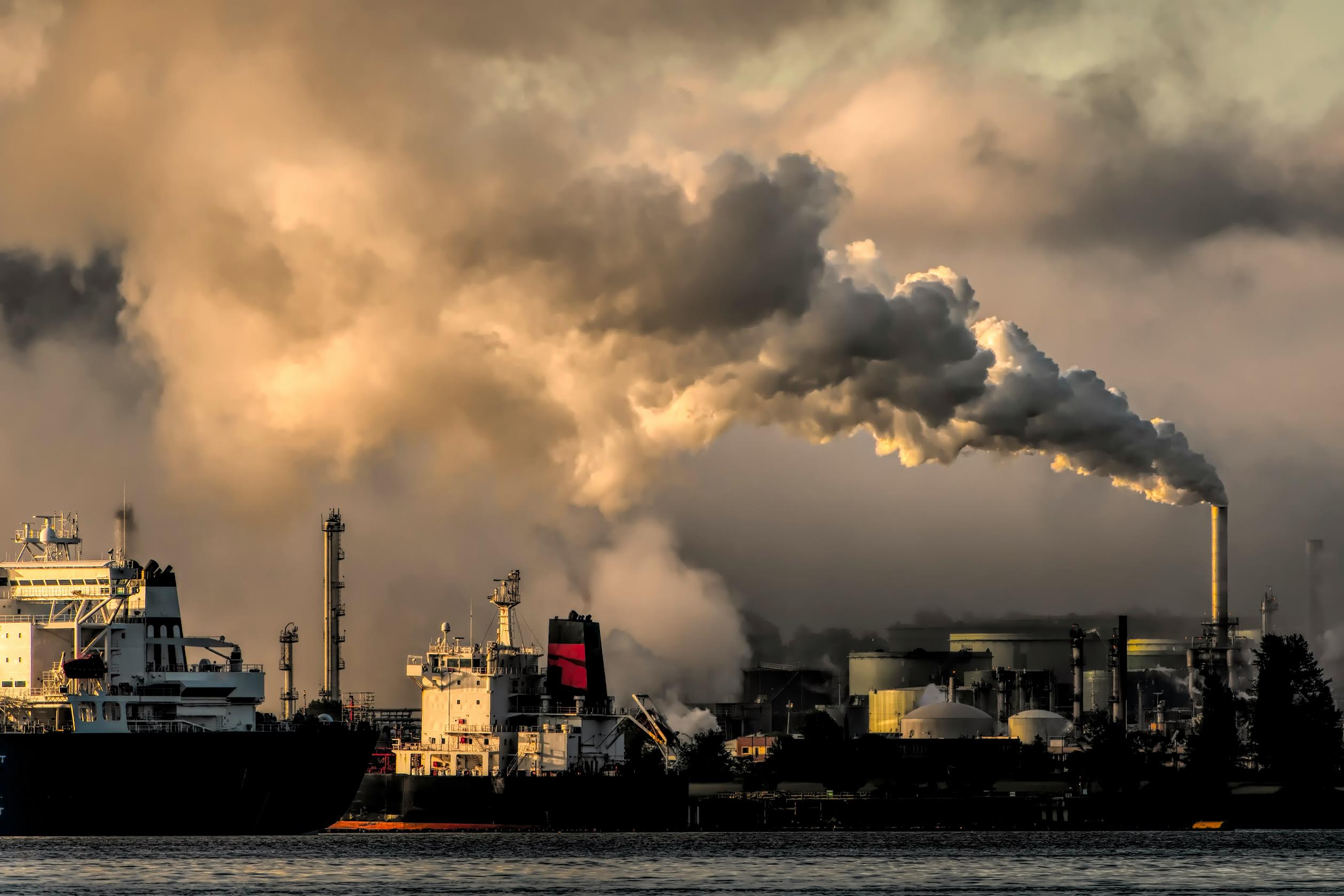
How to Enforce Air & Water Pollution Standards — Islamabad & Peshawar Legal Remedies?
Islamabad and Peshawar, two major cities in Pakistan, face significant environmental challenges, particularly concerning air and water quality. Rapid urbanization, industrial growth, and inadequate enforcement mechanisms have contributed to deteriorating environmental conditions. The health impacts of pollution are substantial, affecting respiratory systems, water-borne diseases, and overall quality of life for residents. Understanding the legal framework and available remedies is crucial for citizens, activists, and organizations seeking to address these pressing environmental concerns.
Pakistan has established various laws and institutions to combat pollution, but enforcement remains inconsistent. This blog explores the legal avenues available for enforcing air and water pollution standards in Islamabad and Peshawar, providing practical guidance for those seeking to hold polluters accountable and protect their environmental rights. When facing complex environmental law challenges, residents may need professional guidance to navigate the legal system effectively.
Understanding Environmental Standards in Pakistan
Pakistan has developed a comprehensive set of environmental standards that apply nationwide, including in Islamabad and Peshawar. The National Environmental Quality Standards (NEQS) establish permissible limits for various air and water pollutants. These standards cover industrial effluent, municipal wastewater, motor vehicle exhaust, and ambient air quality. The Pakistan Environmental Protection Agency (Pak-EPA) and provincial environmental protection agencies are responsible for implementing and monitoring compliance with these standards.
In Islamabad, the Pakistan Environmental Protection Agency oversees enforcement, while in Peshawar, the Khyber Pakhtunkhwa Environmental Protection Agency (KPEPA) fulfills this role. Both agencies have the authority to inspect facilities, collect samples, and take enforcement actions against violators. However, resource constraints and political interference often limit their effectiveness. For those seeking to ensure proper implementation of pollution control measures, understanding these standards and the responsibilities of regulatory bodies is the first step toward effective enforcement.
Legal Framework for Environmental Protection
The primary legislation governing environmental protection in Pakistan is the Pakistan Environmental Protection Act (PEPA) 1997. This comprehensive law provides the legal foundation for environmental protection, including provisions for preventing and controlling pollution, establishing environmental standards, and creating enforcement mechanisms. PEPA applies to both Islamabad (as a federal territory) and Peshawar (in Khyber Pakhtunkhwa province).
Under PEPA, both federal and provincial environmental protection agencies have significant powers, including the ability to issue environmental protection orders, conduct investigations, and impose penalties for violations. The Act also establishes the framework for Environmental Impact Assessments (EIA) and Initial Environmental Examinations (IEE) for development projects. Additionally, provincial governments have enacted their own environmental regulations that complement federal laws. Navigating this complex legal landscape requires specialized knowledge of environmental regulations and how they apply to specific pollution issues in Islamabad and Peshawar.
Air Quality Standards and Enforcement Mechanisms
Air pollution in Islamabad and Peshawar has reached alarming levels, with particulate matter, nitrogen oxides, sulfur dioxide, and other pollutants frequently exceeding safe limits. Major sources include vehicle emissions, industrial activities, brick kilns, and burning of waste. The NEQS specify ambient air quality standards and emission limits for various sources.
Enforcement of air quality standards involves several mechanisms. Environmental protection agencies conduct monitoring through fixed and mobile air quality stations. When violations are identified, agencies can issue notices to polluters, require installation of pollution control technology, impose fines, or even order closure of non-compliant facilities. Citizens can also report air pollution incidents to these agencies. In cases of persistent violations or inaction by authorities, affected individuals may seek judicial intervention through writ petitions in the high courts. Effective enforcement of air quality standards requires coordinated action between government agencies, industries, and the public to reduce emissions and protect public health.
Water Pollution Control and Legal Remedies
Water pollution presents a significant challenge in both Islamabad and Peshawar, affecting surface water bodies, groundwater, and drinking water supplies. Common contaminants include industrial effluents, agricultural runoff, untreated sewage, and solid waste disposal. The NEQS establish limits for various parameters in industrial and municipal wastewater, as well as drinking water quality standards.
Legal remedies for water pollution include filing complaints with environmental protection agencies, which can investigate and take action against polluters. The agencies have the authority to require industries to treat their effluents before discharge and to penalize violations. In cases of water contamination affecting public health, citizens can approach the courts for relief. The Public Interest Litigation provisions allow concerned individuals and organizations to file cases on behalf of affected communities. Additionally, local government bodies have responsibilities for water supply and sanitation that can be enforced through legal action. Protecting water resources through effective implementation of water quality standards is essential for public health and ecosystem preservation in both cities.
Citizen Rights and Environmental Complaint Procedures
Citizens in Islamabad and Peshawar have specific rights regarding environmental protection under PEPA and other laws. These include the right to a clean and healthy environment, the right to information about environmental matters, and the right to participate in environmental decision-making processes. When these rights are violated due to pollution, citizens have several avenues for seeking remedies.
The first step is often filing a formal complaint with the relevant environmental protection agency. These complaints should include detailed information about the pollution source, its impacts, and any supporting evidence. Agencies are legally required to investigate complaints and take appropriate action. If agencies fail to act, citizens can escalate the matter to higher authorities or approach the courts. Public Interest Litigation has proven effective in Pakistan for addressing environmental issues where government action has been inadequate. For complex cases involving significant health impacts or widespread pollution, consulting with experts in legal remedies can help citizens navigate the complaint process and pursue effective solutions.
Environmental Tribunals and Judicial Remedies
Pakistan has established Environmental Tribunals to handle cases related to environmental violations, including air and water pollution. These tribunals have jurisdiction over cases filed by environmental protection agencies, as well as those initiated by citizens and organizations. The tribunals have powers to impose penalties, order remedial measures, and direct government agencies to take action.
In Islamabad, the Federal Environmental Tribunal handles cases, while in Peshawar, the Provincial Environmental Tribunal of Khyber Pakhtunkhwa has jurisdiction. These tribunals were designed to provide specialized judicial forums for environmental cases, with the aim of ensuring faster and more technically informed decisions. However, their effectiveness has been hampered by resource constraints and procedural delays. Beyond the tribunals, the High Courts and Supreme Court of Pakistan also play crucial roles in environmental protection through their constitutional jurisdiction, particularly in cases involving fundamental rights or matters of significant public importance. Understanding the role and procedures of environmental tribunals is essential for effectively pursuing legal remedies for pollution violations.
Experience Compassion
We provide compassionate legal support, ensuring clients feel heard, respected, and guided through every step.
Integrity Compassion
Our practice is built on honesty and empathy, delivering ethical and client-focused legal solutions.
Evidence Collection and Documentation
Successful enforcement of pollution standards often depends on the quality of evidence collected. When documenting air or water pollution in Islamabad and Peshawar, several types of evidence can be valuable. These include photographs and videos of pollution sources, samples of polluted water or air (where safe to collect), health records showing impacts on residents, and expert reports analyzing pollution levels.
For air pollution, documentation might include recording visible emissions, measuring dust levels, and noting health symptoms like respiratory issues. For water pollution, evidence could include water samples, documentation of dead fish or other ecological impacts, and records of water-borne diseases. It’s important to document the date, time, and location of observations, and to maintain a chain of custody for any samples collected. This evidence can support complaints to regulatory agencies or form the basis of legal action. In complex cases, professional assistance may be needed to properly collect and analyze evidence for environmental compliance violations.
Community Engagement and Collective Action
Addressing pollution challenges in Islamabad and Peshawar often requires community mobilization and collective action. When individual complaints fail to produce results, communities can organize to demand stronger enforcement of pollution standards. Community-based approaches include forming environmental committees, conducting awareness campaigns, and collectively monitoring pollution levels.
Community engagement can take various forms, including organizing peaceful protests, meeting with elected representatives, and participating in public hearings on environmental issues. Social media and other digital platforms have become powerful tools for raising awareness and mobilizing support for environmental causes. Collective action is particularly effective when it brings together diverse stakeholders, including affected residents, local businesses, community organizations, and environmental groups. When communities work together to address pollution issues, they can create significant pressure for change and improve the effectiveness of environmental protection efforts in their areas.
Professional Legal Assistance for Environmental Cases
Environmental law cases can be complex, requiring specialized knowledge of both legal procedures and technical aspects of pollution. In many situations, seeking professional legal assistance becomes necessary to effectively navigate the legal system and achieve meaningful results. Legal professionals with expertise in environmental law can help with filing complaints, preparing legal documents, representing clients in tribunals or courts, and negotiating settlements with polluters.
When selecting legal assistance, it’s important to choose professionals with specific experience in environmental cases and familiarity with the local context in Islamabad and Peshawar. A qualified environmental lawyer can assess the merits of a case, identify the most appropriate legal remedies, and develop an effective strategy for enforcement. They can also help clients understand their rights and obligations, and guide them through the often complex legal processes involved in environmental cases. For those facing significant environmental challenges, consulting with experts in environmental litigation can make the difference between successful enforcement and continued pollution.
Nouman Muhib Kakakhel – Lawyer & Legal Consultant has extensive experience in environmental law cases in Islamabad and Peshawar, providing specialized legal services to individuals, communities, and organizations seeking to enforce pollution standards and protect their environmental rights.
Practical Steps for Enforcing Pollution Standards
Enforcing air and water pollution standards in Islamabad and Peshawar requires a systematic approach and persistence. The following practical steps can guide individuals and communities in their efforts:
- Identify and document the pollution source and its impacts
- Research relevant environmental standards and regulations
- File a formal complaint with the appropriate environmental protection agency
- Follow up regularly on the complaint and document all communications
- If agency action is inadequate, consider escalating to higher authorities
- Explore options for collective action and community mobilization
- Consider seeking judicial remedies through environmental tribunals or courts
- Engage media and raise public awareness about the issue
- Monitor implementation of any orders or remedial actions
- Maintain detailed records throughout the process
This process requires patience and persistence, as environmental cases can often take considerable time to resolve. However, systematic documentation and consistent follow-up can significantly increase the chances of successful enforcement. Effective pollution enforcement depends on citizens being proactive in reporting violations and holding authorities accountable for implementing environmental laws.
Conclusion: Toward Cleaner Air and Water in Islamabad and Peshawar
Enforcing air and water pollution standards in Islamabad and Peshawar is a complex but essential task for protecting public health and the environment. While Pakistan has established a comprehensive legal framework for environmental protection, effective implementation remains challenging. Citizens, communities, and organizations play a crucial role in complementing government efforts by reporting violations, demanding enforcement, and pursuing legal remedies when necessary.
The path to cleaner air and water requires sustained commitment from all stakeholders. Government agencies must strengthen their enforcement capacity and independence. Industries must adopt cleaner technologies and comply with environmental standards. Communities must remain vigilant and proactive in protecting their environmental rights. Legal professionals must continue to develop expertise in environmental justice and provide accessible services to those affected by pollution.
By working together and utilizing the legal remedies available, residents of Islamabad and Peshawar can make significant progress in addressing pollution challenges and creating healthier, more sustainable cities for current and future generations.
How to Enforce Air & Water Pollution Standards — Islamabad & Peshawar Legal Remedies?
Explore our wide range of legal expertise, from constitutional and corporate law to family, criminal, and civil matters. Our lawyers provide trusted guidance and effective representation.
Contact
- Chamber of, Nouman Muhib Kakakhel, Yousaf Riaz Block, Judicial Complex, opposite to Serena Hotel, PTCL Colony, Peshawar, 25000, Pakistan
- office@nmklegal.com
- +92334 4440844