

How to Challenge EIA (Environmental Impact Assessment) Decisions in Islamabad & Peshawar?
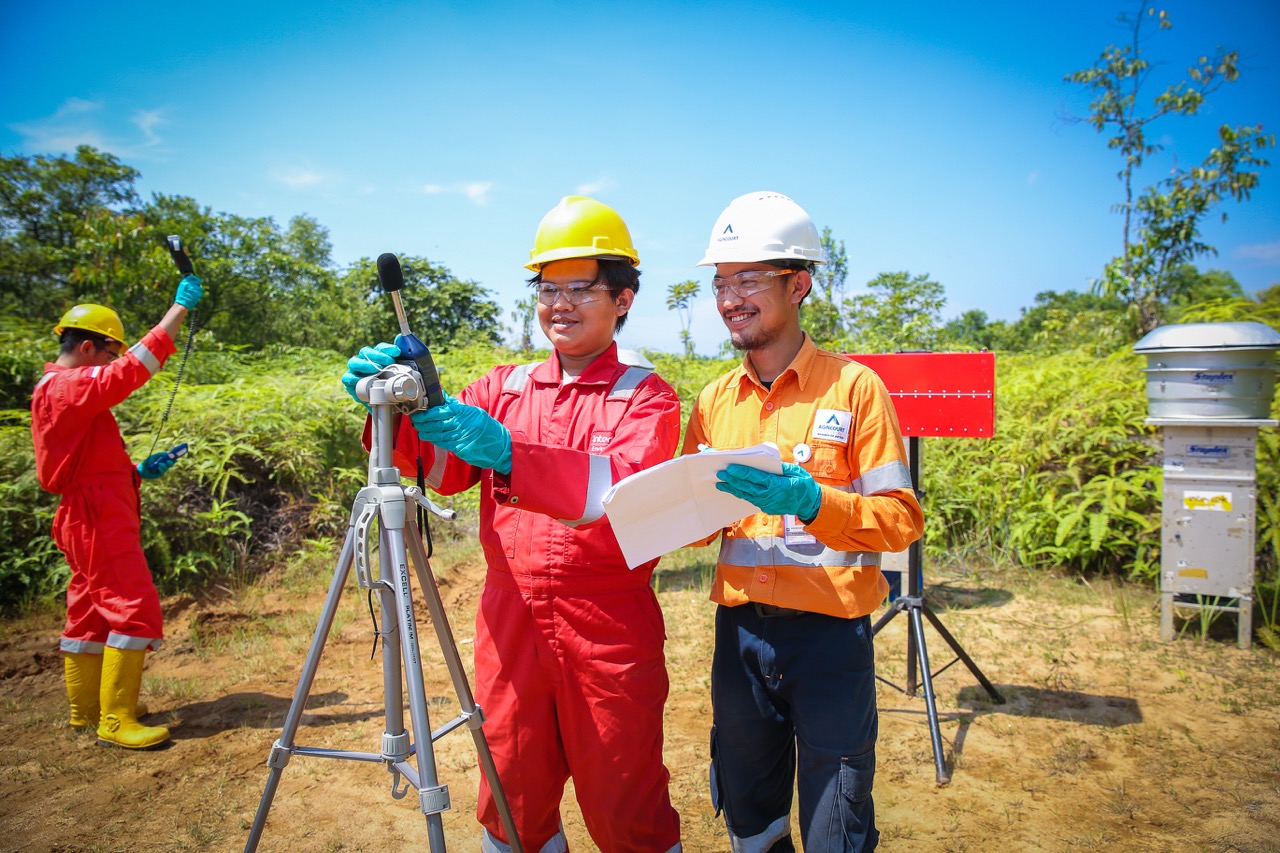
How to Challenge EIA (Environmental Impact Assessment) Decisions in Islamabad & Peshawar?
Environmental Impact Assessments (EIA) are critical legal tools designed to evaluate the potential environmental consequences of proposed development projects in Islamabad, Peshawar, and across Pakistan. These assessments determine whether projects can proceed and under what conditions, ensuring ecological balance and public health protections. However, not all EIA decisions are flawless, and stakeholders—including affected communities, environmental advocates, and project proponents—have legal rights to challenge these decisions when they believe the assessment was inadequate, improper, or violated environmental laws.
This guide offers a detailed roadmap to challenging EIA decisions in Islamabad and Peshawar by outlining the procedural, legal, and strategic aspects of contesting these vital environmental rulings.
Understanding the EIA Framework in Islamabad and Peshawar
The legal framework governing EIAs in Islamabad and Peshawar is primarily grounded in the Pakistan Environmental Protection Act (PEPA), 1997, together with provincial environmental laws such as the KP Environmental Protection Act, 2014 for Peshawar. The Pakistan Environmental Protection Agency (EPA) oversees the approval process, ensuring that new projects comply with rigorous environmental standards.
An EIA process typically involves the preparation of a detailed environmental report analyzing project impact, public consultations, and a review phase that culminates in an approval or rejection. Both cities adopt the categorization of projects requiring an EIA under schedules based on the scale and expected environmental impact.
Common Grounds for Challenging EIA Decisions
Challenges often arise on several grounds, including:
Procedural irregularities such as lack of required public consultation or inadequate time for stakeholder feedback.
Incomplete or erroneous data in the EIA report, including overlooked environmental, social, or health impacts.
Failure to consider reasonable project alternatives or mitigation strategies.
Non-compliance with legal requirements under PEPA or provincial environmental laws.
Ignoring cumulative environmental impacts or risks highlighted by third-party experts.
Recognizing these flaws can form the foundational basis to table a formal challenge or appeal against the EPA’s ruling.
Experience Compassion
We provide compassionate legal support, ensuring clients feel heard, respected, and guided through every step.
Integrity Compassion
Our practice is built on honesty and empathy, delivering ethical and client-focused legal solutions.
Step-by-Step Process to Challenge an EIA Decision
Review the EIA Decision Notice: Carefully study the reasons given for the EPA’s approval or denial, paying attention to the environmental management plans and any conditional requirements.
Gather Evidence and Expert Input: Compile supporting data, environmental studies, expert opinions, and stakeholder statements to document deficiencies or violations in the assessment or procedural process.
File an Appeal or Request for Review: Submit a formal appeal to the respective Environmental Protection Agency in Islamabad or Peshawar. This must usually be done within thirty days of receiving the decision. The appeal should clearly articulate the legal and technical reasons for contesting the decision.
Engage in Agency-Level Hearings: Some EPAs may conduct hearings to review appeals. Active participation in these hearings can significantly influence the reconsideration process.
Escalate to Environmental Protection Tribunal: If the EPA decision remains unsatisfactory, the case can be escalated to the Environmental Protection Tribunal. This specialized judicial body in each province handles disputes relating to environmental approvals and can overturn or modify EIA decisions based on legal merits.
Seek Judicial Review: As a last resort, parties can petition the High Courts or the Supreme Court of Pakistan under public interest litigation provisions, especially when constitutional rights regarding environmental protection are implicated.
Monitoring Enforcement: Upon a favorable decision, follow-up is essential to ensure that the EPA, project proponent, and other authorities adhere strictly to mitigation and monitoring conditions imposed.
Role of Legal and Environmental Expertise
Challenging EIA decisions requires navigating technical environmental data, complex regulatory frameworks, and legal standards. Working with knowledgeable lawyers and environmental experts ensures precise identification of legal issues, robust evidence gathering, and effective advocacy before administrative and judicial forums. Nouman Muhib Kakakhel – Lawyer & Legal Consultant provides specialized services in this arena, aiding clients in preparing appeals, representing them in tribunal hearings, and pursuing litigation if required.
Importance of Public Participation and Transparency
Public participation is a cornerstone of the EIA process. Ensuring community voices are heard, and their environmental concerns properly documented, can strengthen challenges to flawed EIA decisions. Transparency by government agencies and project proponents enhances accountability and helps prevent circumvention of environmental safeguards.
Conclusion
Challenging EIA decisions in Islamabad and Peshawar protects environmental rights and promotes sustainable development. The process is governed by well-established legal frameworks and requires a strategic approach involving thorough review, documented appeal, and sometimes judicial intervention. Expert advice significantly enhances the likelihood of success in these critical environmental matters.
How to Challenge EIA (Environmental Impact Assessment) Decisions in Islamabad & Peshawar?
Explore our wide range of legal expertise, from constitutional and corporate law to family, criminal, and civil matters. Our lawyers provide trusted guidance and effective representation.
Contact
- Chamber of, Nouman Muhib Kakakhel, Yousaf Riaz Block, Judicial Complex, opposite to Serena Hotel, PTCL Colony, Peshawar, 25000, Pakistan
- office@nmklegal.com
- +92334 4440844